
THE VEHICLE AT A GLANCE
Model dossier
- Production period
- 1963
- Body style
- Coupé
- Engine
- 90° V8
- Type
- Limited
- Displacement
- 2,468 cc
- Power
- 220 hp
- Top speed
- 240 km/h
THE PEOPLE BEHIND THE CAR
Coachbuilding, design & conversions

PRICE & SALES RECORD
Vehicle value
- Original price
- Not documented
- Latest recorded sale
- Not documented
01 / THE STORY
History & context
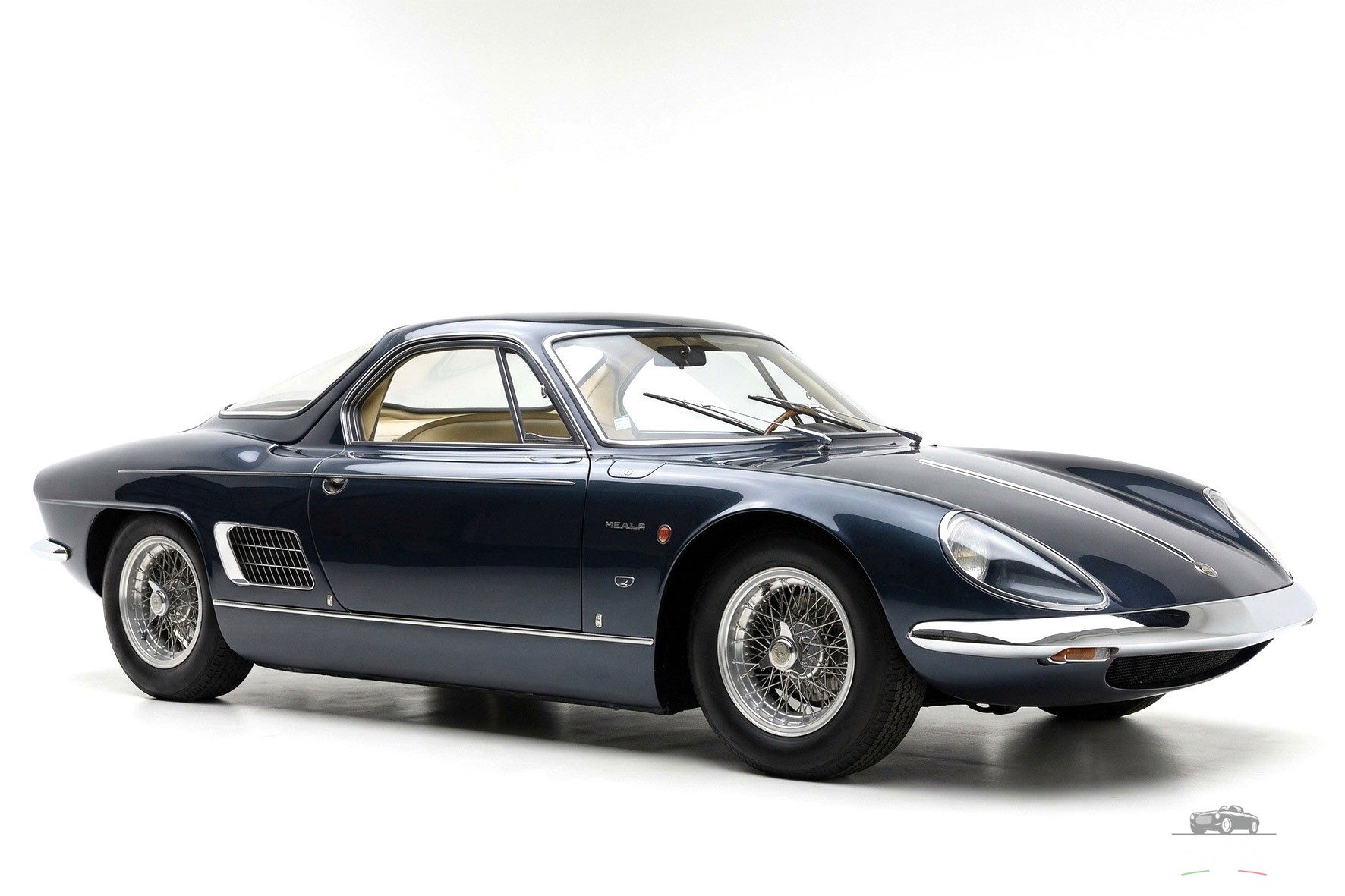
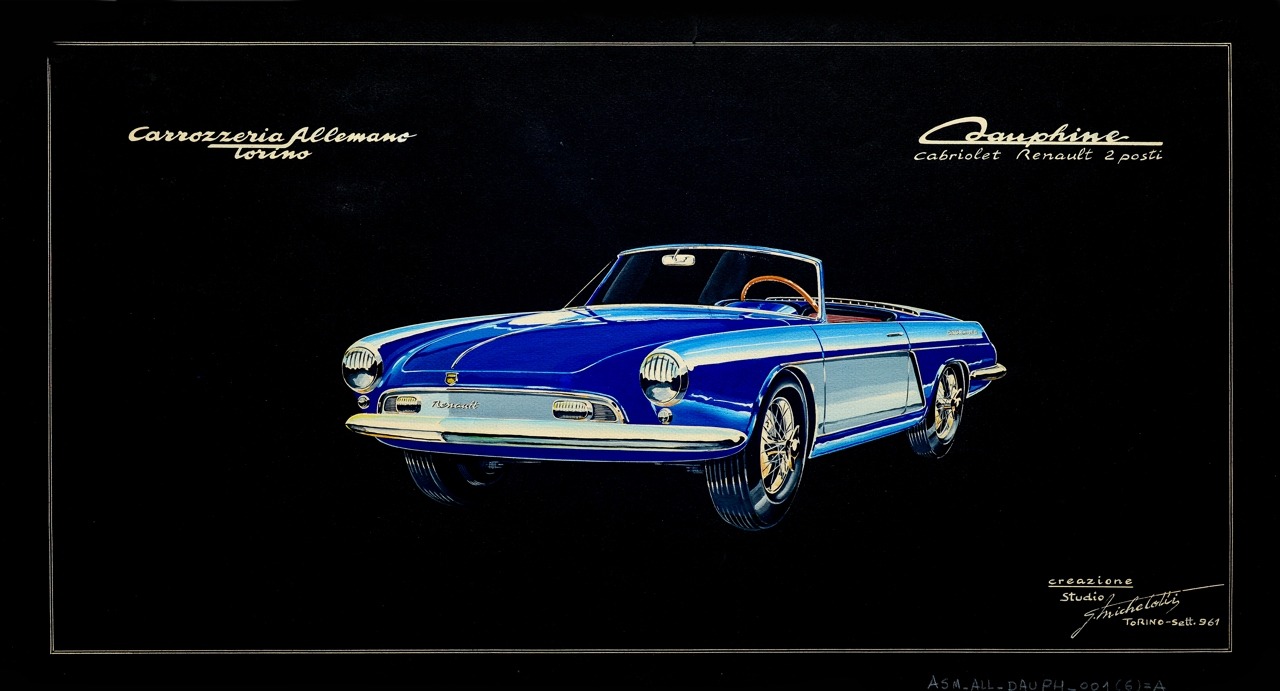
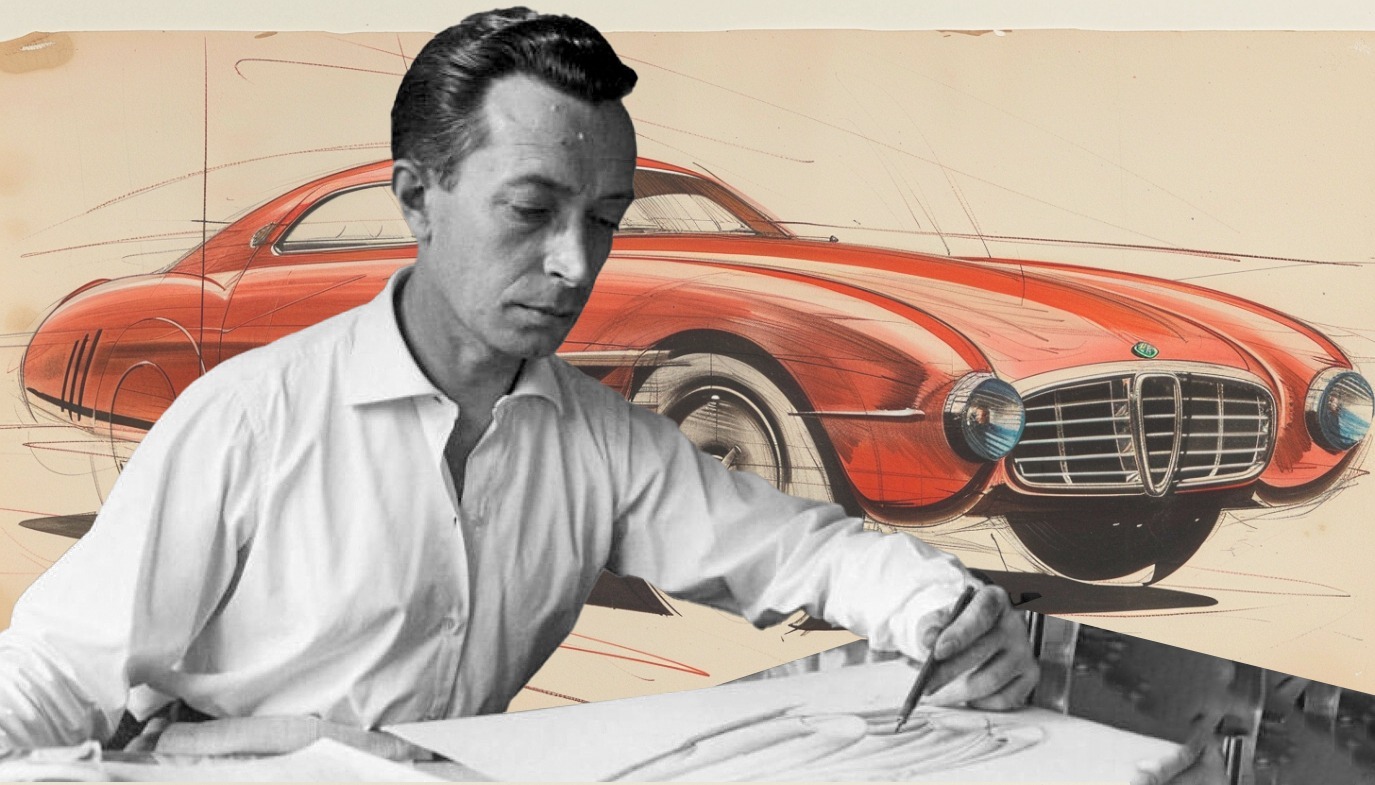
The ATS 2500 GT, produced by Automobili Turismo e Sport (ATS) in Bologna, represents a significant milestone in automotive history. Introduced in 1963, it was one of the first sports cars to feature a mid-engine layout, a design choice that has since become a hallmark of high-performance vehicles. The ATS 2500 GT’s development was driven by a group of Ferrari defectors who sought to outpace their former employer both on the racetrack and on the road. These individuals left Ferrari amid family disputes and an uncomfortable working environment, fueling their ambition to create a rival sports car. The ATS team aimed to establish itself as a serious contender in the automotive world. However, their efforts were not entirely successful. The Formula One car they developed for the 1963 season was widely criticized as “a ghastly mess” and considered one of the most inept racing cars of its time. This lackluster performance on the track did little to bolster the reputation of the road-going ATS 2500 GT. Despite these challenges, the ATS 2500 GT boasted impressive specifications for its time. It was equipped with a 2.5-liter V8 engine that produced approximately 220 bhp (164 kW), with some sources claiming a figure of 210 bhp. The car’s torque measured 255 N⋅m (188 ft⋅lbf), contributing to a top speed of around 240 km/h (149 mph). For enthusiasts seeking even more performance, a competition version known as the ATS 2500 GTS was developed, producing 245 bhp (183 kW). However, this version did not achieve significant success or recognition. The ATS 2500 GT’s distinctive coachwork designed by Franco Scaglione, was crafted by Allemano, while the 5-speed transmission was supplied by Colotti. Despite its innovative design and the pedigree of its creators, the ATS 2500 GT’s impact was limited, overshadowed by both its own technical difficulties and the fierce competition it faced from established manufacturers like Ferrari. Nonetheless, it remains a notable example of early mid-engine sports car design and the ambitious spirit of its creators.
IN THE ARCHIVE
Coachbuilders & design studios
02 / TECHNICAL IDENTITY
Specifications & construction
Production & construction
- Production type
- Limited
- Body material
- Steel panels
- Chassis construction
- Chromium-molybdenum tubular spaceframe
Engine & performance
- Engine configuration
- 90° V8
- Displacement
- 2,468 cc
- Power (hp)
- 220 hp
- Power (kW)
- 164 kW
- Engine speed
- 7,500 rpm
- Torque
- 255 Nm
- Transmission
- 5-speed manual
- Drive
- Rear-wheel drive
- Top speed
- 240 km/h
- Specification notes
- Specialist technical source documents the ATS 2500 GT baseline: 2468 cc V8, 220 bhp/164 kW at 7500 rpm, 255 Nm at 6000 rpm, 5-speed manual, RWD, 2502 mm wheelbase, 4331 × 1613 × 1181 mm, 816 kg and 240 km/h. No production count was promoted because published totals vary across sources.
Dimensions & accommodation
- Wheelbase
- 2,502 mm
- Length
- 4,331 mm
- Width
- 1,613 mm
- Height
- 1,181 mm
- Weight
- 816 kg
- Doors
- 2
Design & manufacture
- Coachbuilder / Body Builder · Documented
- Allemano
- Designer · Documented
- Franco Scaglione
- Manufacturer · Documented
- ATS
06 / EVENTS & AWARDS
Events & awards
Paris General · From the historical archive
- Date
- 1963
- Chassis
- General
07 / THE VEHICLE IN DETAIL
Photo gallery 4 photographs
08 / FROM THE ARCHIVE
Archive
References held in the vehicle dossier. Their inclusion does not establish that every historical claim has been independently verified.
| Reference | Source type |
|---|---|
| Ultimatecarpage — ATS 2500 GT specifications www.ultimatecarpage.com | Specialist vehicle history |



THE CONVERSATION
Comments 0
Share a memory, a period photograph or a documented detail about this car.