
THE VEHICLE AT A GLANCE
Model dossier
- Production period
- 1923
- Body style
- Limousine
- Chassis
- GDK44
- Engine
- Inline-6
- Type
- One-off
- Production
- 1
THE PEOPLE BEHIND THE CAR
Coachbuilding, design & conversions

PRICE & SALES RECORD
Vehicle value
- Original price
- Not documented
- Latest recorded sale
- Not documented
01 / THE STORY
History & context
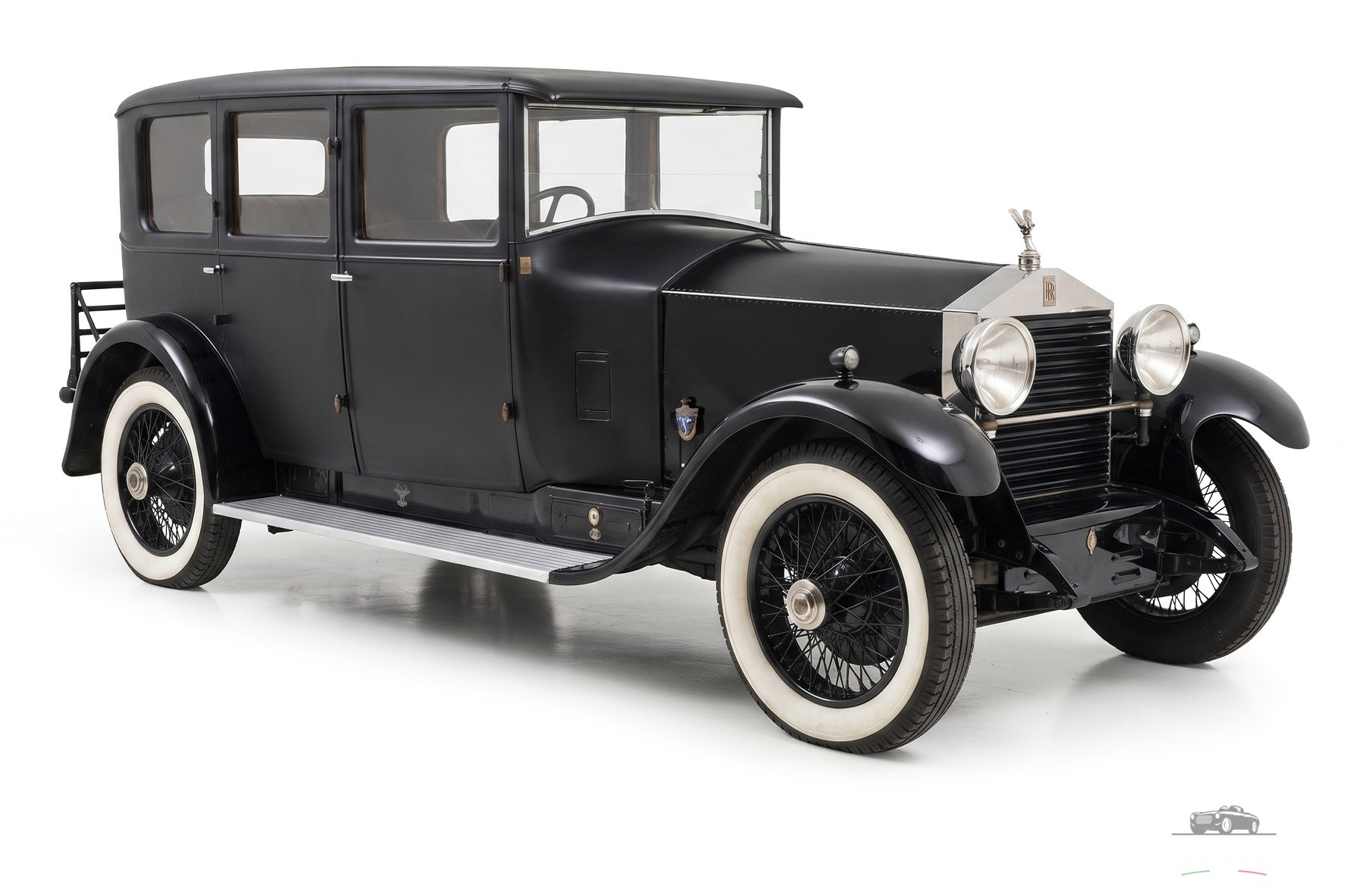
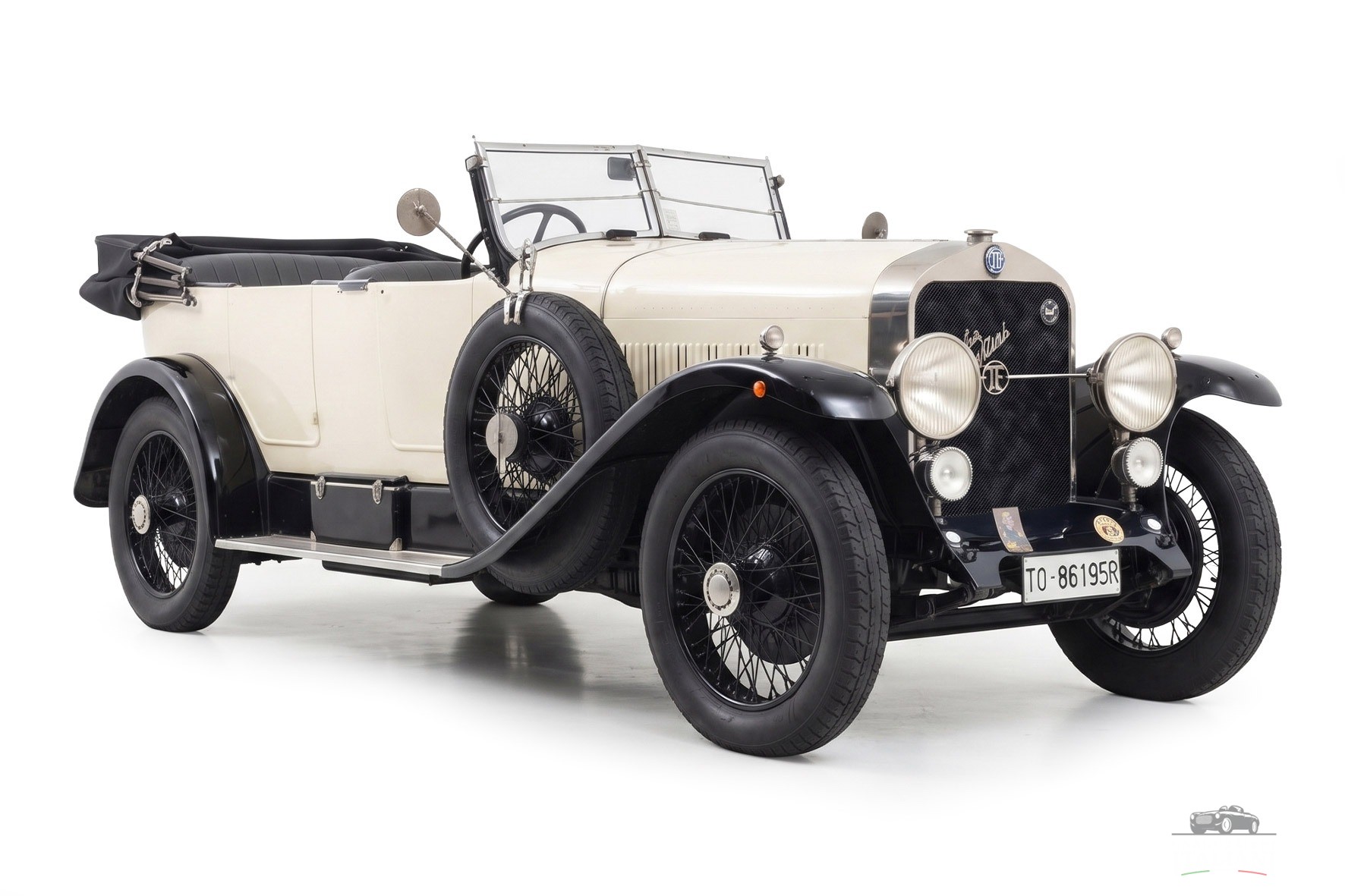
The 1923 Rolls-Royce Twenty Limousine by Stabilimenti Farina was built using Weymann-type flexible body construction, a method licensed widely during the 1920s for its weight reduction and noise-damping advantages. The Rolls-Royce Twenty chassis, introduced in 1922, was designed as a smaller and more manageable model than the Silver Ghost, combining a rigid ladder frame with semi-elliptic leaf springs and, in later production, four-wheel brakes. Farina’s bodywork followed the principles of the Weymann system: an ash frame joined with flexible joints, covered not by metal panels but by layers of fabric stretched over padding. This approach reduced squeaks and body vibration, improved ride comfort, and lowered overall mass. The Limousine configuration adopted the formal, upright geometry typical of chauffeur-driven cars of the period, with a high roofline, a separate driver’s compartment, and wide rear doors. The rear of the body incorporated an externally mounted spare wheel carried on the vertical tail panel. The chassis was powered by Rolls-Royce’s 3.1-litre side-valve inline-six with a detachable cylinder head, coupled to a three-speed manual transmission. The engine’s design prioritized quiet operation and consistent torque delivery at low speeds, aligning with the refinement expected of the marque. Steering, suspension, and braking components were engineered for durability and for accommodating diverse body types produced by independent coachbuilders. Stabilimenti Farina’s execution preserved the clean, unadorned surfaces characteristic of Weymann bodies while adding subtle Italian stylistic cues. The fenders, running boards, and radiator treatment followed standard Rolls-Royce practice, whereas the overall stance reflected the lighter structure made possible by the fabric-covered frame. Interior equipment depended on commissioning requirements and often included upholstered rear seating, glass division, and fittings appropriate to formal use. Surviving examples of the Rolls-Royce Twenty with Farina’s Weymann coachwork are documented in marque registries and private collections, providing research material on early interwar lightweight construction and the cross-European diffusion of the Weymann system among high-end coachbuilders.
IN THE ARCHIVE
Coachbuilders & design studios
02 / TECHNICAL IDENTITY
Specifications & construction
Production & construction
- Production
- 1
- Production type
- One-off
Engine & performance
- Engine configuration
- Inline-6
Design & manufacture
- Coachbuilder / Body Builder · Documented
- Stabilimenti Farina
- Manufacturer · Documented
- Rolls-Royce
04 / INDIVIDUAL HISTORY
Chassis & provenance
Chassis GDK44
- Chassis number
- GDK44
- Year
- 1923
06 / EVENTS & AWARDS
Events & awards
No events or documented awards are currently recorded for this vehicle.
07 / THE VEHICLE IN DETAIL
Photo gallery 4 photographs
08 / FROM THE ARCHIVE
Archive
No publishable archival references are currently catalogued for this vehicle.

THE CONVERSATION
Comments 0
Share a memory, a period photograph or a documented detail about this car.