
THE VEHICLE AT A GLANCE
Model dossier
- Production period
- 1963
- Body style
- Coupé
- Type
- One-off
- Production
- 1
THE PEOPLE BEHIND THE CAR
Coachbuilding, design & conversions

PRICE & SALES RECORD
Vehicle value
- Original price
- Not documented
- Latest recorded sale
- Not documented
01 / THE STORY
History & context
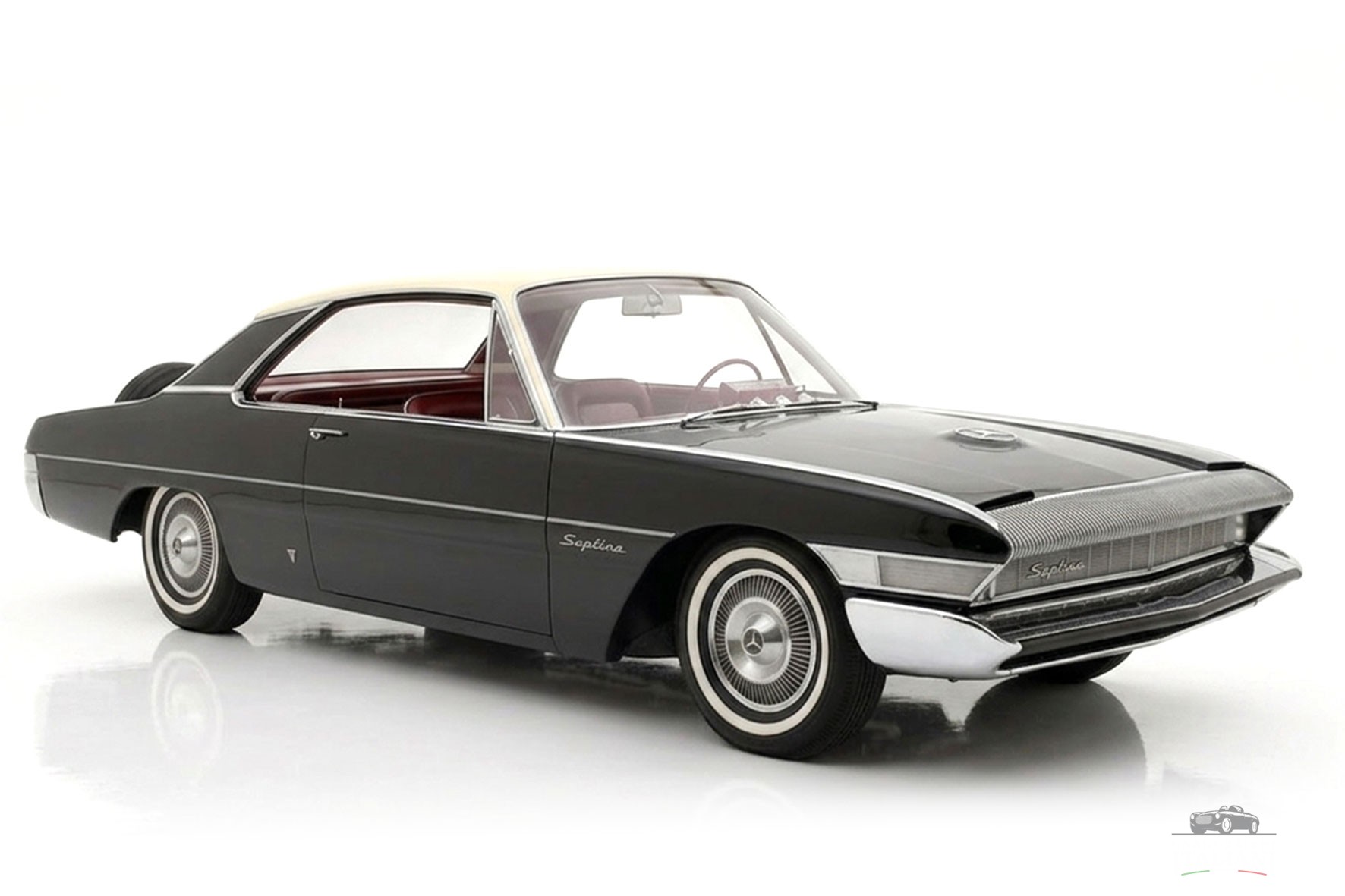
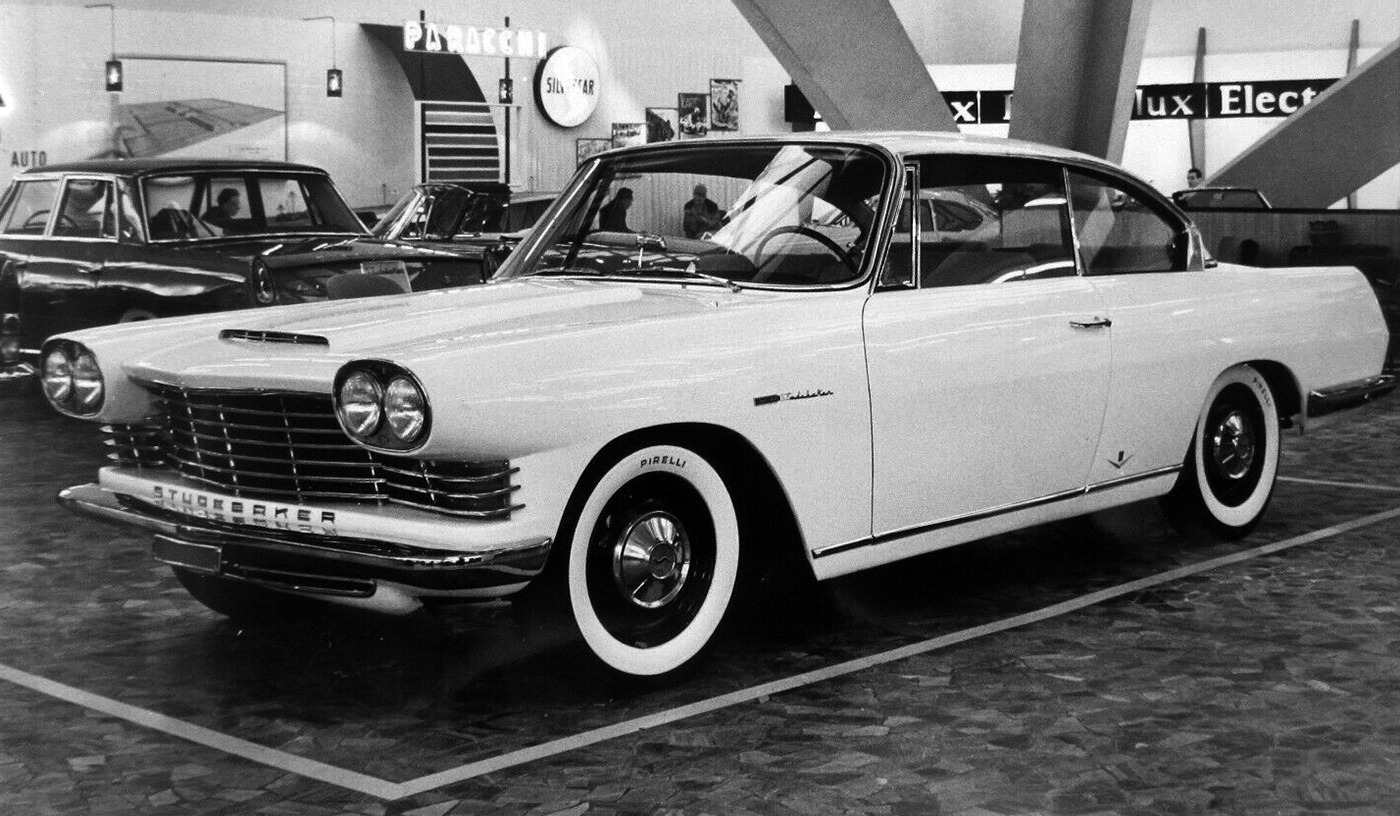
The Studebaker Sceptre emerged as a pivotal project in the automotive landscape under the visionary leadership of Sherwood Egbert, President of the Studebaker Corporation in 1960. Egbert’s foresight led him to enlist the expertise of Brooks Stevens, a renowned consultant in automotive design and styling, to shape the future direction of Studebaker’s vehicle lineup. Crafted in metal by Carrozzeria Sibona-Basano of Torino, Italy, the Studebaker Sceptre prototype embodied a bold vision for the brand. Sporting a distinctive 2-door, 5-place coupe design, it was intended to serve as the blueprint for a versatile family sedan and an expansive 8-passenger station wagon, showcasing Studebaker’s commitment to innovation and versatility. Unlike its predecessors, such as the Mercedes-inspired Hawk series, the Sceptre represented a radical departure in design philosophy. It introduced groundbreaking body lines and innovative features across various aspects of the vehicle, including grill and headlight treatments, bumper design, and hood and rear deck openings. The “C” pillar design, in particular, marked a departure from convention, reflecting Studebaker’s determination to carve out a unique identity in the competitive automotive landscape. Moreover, the Sceptre revolutionized interior design, pioneering concepts like the astronaut couch bucket seat and novel upholstery treatments using mylar and vinyl combinations. Every detail of the interior, from the instrument panel to the cushion breathing system, was meticulously crafted to align with the overarching design ethos, eschewing a piecemeal approach in favor of a cohesive, integrated design language. Driven by a singular vision, the Studebaker Sceptre represented the pinnacle of Studebaker’s ambition to revitalize its product lineup and secure the resources necessary for long-term success. Brooks Stevens himself referred to the Sceptre as a 1966 Studebaker, underscoring its significance in the brand’s history. However, the exact dating of the Sceptre remains a subject of debate, with some sources labeling it as a 1963 model. Today, the legacy of the Studebaker Sceptre endures at the Studebaker National Museum in South Bend, Indiana, serving as a testament to the brand’s spirit of innovation and creativity. As a symbol of Studebaker’s quest for automotive excellence, the Sceptre remains a cherished artifact, embodying the timeless allure of automotive design.
IN THE ARCHIVE
Coachbuilders & design studios
02 / TECHNICAL IDENTITY
Specifications & construction
Production & construction
- Production
- 1
- Production type
- One-off
- Mechanical platform
- Studebaker Lark chassis
Design & manufacture
- Coachbuilder / Body Builder · Documented
- Sibona & Basano
- Manufacturer · Documented
- Studebaker
- Designer · Documented
- Brooks Stevens
06 / EVENTS & AWARDS
Events & awards
No events or documented awards are currently recorded for this vehicle.
07 / THE VEHICLE IN DETAIL
Photo gallery 9 photographs
Show 3 more photographs Show fewer photographs
08 / FROM THE ARCHIVE
Archive
References held in the vehicle dossier. Their inclusion does not establish that every historical claim has been independently verified.
| Reference | Source type |
|---|---|
| Studebaker 1946–1966: The Classic Postwar Years — Brooks Stevens prototypes manuals.plus | Published book scan |
| Car Design News — Concept Car of the Week: Studebaker Sceptre www.cardesignnews.com | Professional design press |
| Milwaukee Art Museum — Brooks Stevens Archive, Studebaker Sceptre archive.mam.org | Designer archive museum |
THE CONVERSATION
Comments 0
Share a memory, a period photograph or a documented detail about this car.