
THE VEHICLE AT A GLANCE
Model dossier
- Production period
- 2001
- Body style
- Hatchback
- Type
- Concept
THE PEOPLE BEHIND THE CAR
Coachbuilding, design & conversions

PRICE & SALES RECORD
Vehicle value
- Original price
- Not documented
- Latest recorded sale
- Not documented
01 / THE STORY
History & context
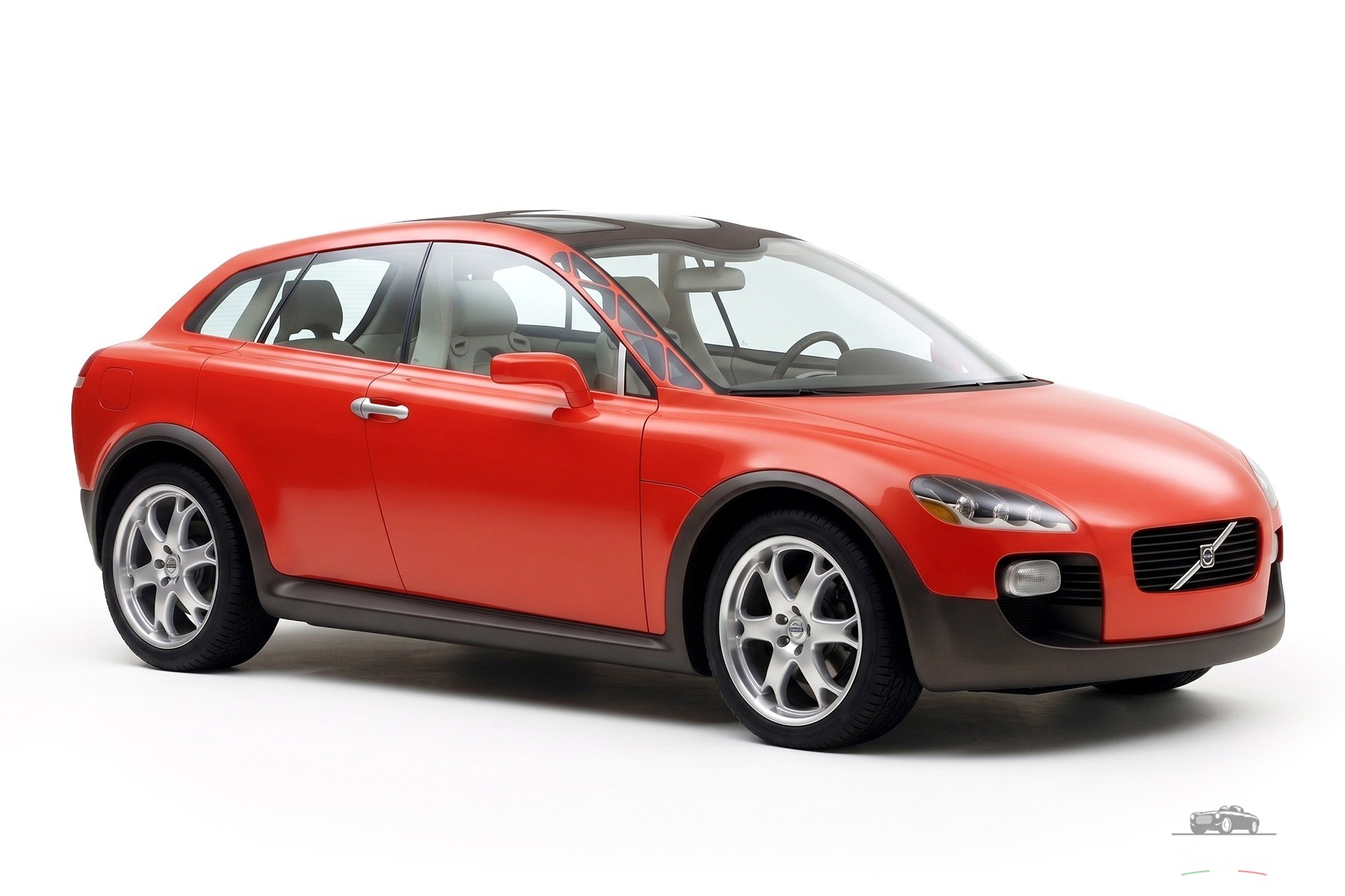
The Volvo SCC integrates an array of cutting-edge technologies to enhance personal safety, beginning with a fingerprint key system. Developed in collaboration with Italdesign, the SCC features a remote unit known as the Volvo Personal Communicator (VPC). When the driver presses their fingerprint on the VPC pad, the car identifies them, allowing keyless entry and automatically adjusting the interior settings to their preferences. Another notable feature is the heartbeat sensor, which detects if someone has broken into the car and sends an alert to the driver’s VPC, providing the option to activate a panic button. The Volvo SCC also optimizes the driver’s view of the road by using infrared sensors and cameras to locate the driver’s eyes and automatically adjust the steering wheel, center console, pedals, and seat accordingly. For enhanced visibility, the SCC’s A-pillars are partially transparent, improving frontal visibility, while the B-pillars are positioned inward for better rearward visibility. Additionally, sensors in the rear-view mirror and rear bumper alert the driver to potential dangers. A rear-facing camera mounted in the roof header displays images on a mini monitor in front of the driver, facilitating easier reversing when a passenger’s head obstructs the view. The SCC is equipped with flashing brake lights that increase their flash rate with the intensity of braking, alerting traffic behind of possible emergency situations. As the car changes speed or takes curves, the headlights adjust their beam pattern for improved vision. It also has a night vision display that highlights objects, animals, or other vehicles obscured by darkness. A collision warning sensor activates if the gap between the SCC and the car ahead becomes too narrow, projecting a red warning signal and a virtual brake light onto the windshield. The four-point seat belt system, forming a cross-brace across the chest, secures passengers effectively during rollovers, frontal, or side collisions. Rear seats are equipped with electrically adjustable cushions to accommodate a child’s height, ensuring proper seat belt alignment, visibility, and comfort. The front portion of the rear seat can be folded, allowing shorter legs to dangle comfortably at a 90-degree angle over the seat edge.
IN THE ARCHIVE
Coachbuilders & design studios
02 / TECHNICAL IDENTITY
Specifications & construction
Production & construction
- Production type
- Concept
Engine & performance
- Specification notes
- Volvo Cars primary source: the 2001 Safety Concept Car (SCC) was a Volvo/Ford research demonstrator for vision-enhancing and collision-avoidance systems, including eye-position-based seating adjustment, collision warning, lane-departure warning, rear radar/camera monitoring and flashing brake-light logic. No unsupported production powertrain data are inherited.
Design & manufacture
- Design Studio · Documented
- Italdesign
- Manufacturer · Documented
- Volvo
06 / EVENTS & AWARDS
Events & awards
No events or documented awards are currently recorded for this vehicle.
07 / THE VEHICLE IN DETAIL
Photo gallery 2 photographs
08 / FROM THE ARCHIVE
Archive
References held in the vehicle dossier. Their inclusion does not establish that every historical claim has been independently verified.
| Reference | Source type |
|---|---|
| Volvo Cars Media — Safety Concept Car www.media.volvocars.com | Official manufacturer press archive |


THE CONVERSATION
Comments 0
Share a memory, a period photograph or a documented detail about this car.