
THE VEHICLE AT A GLANCE
Model dossier
- Production period
- 1983
- Body style
- Berlina
- Type
- Mass
THE PEOPLE BEHIND THE CAR
Coachbuilding, design & conversions


PRICE & SALES RECORD
Vehicle value
- Original price
- Not documented
- Latest recorded sale
- Not documented
01 / THE STORY
History & context
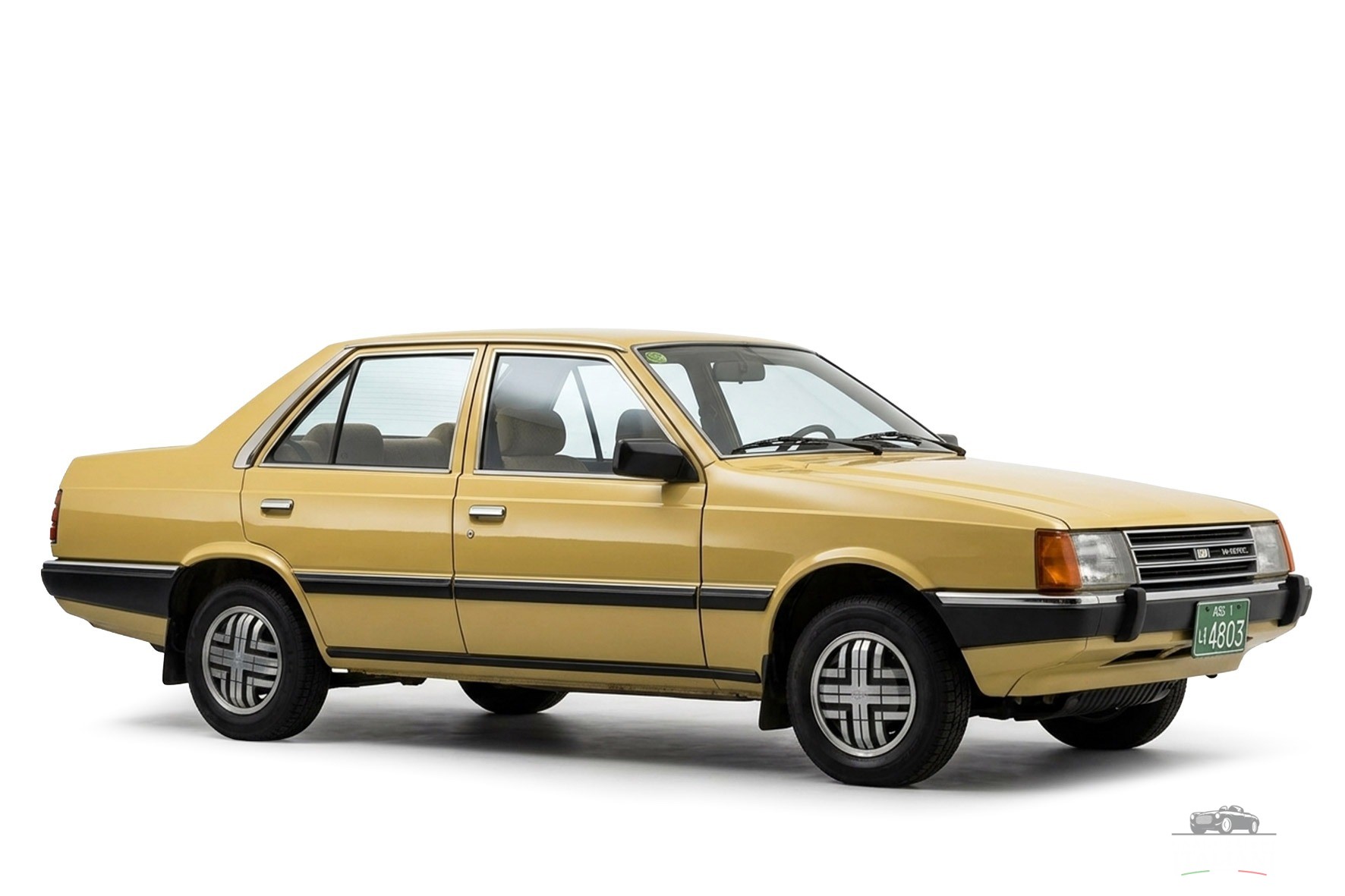
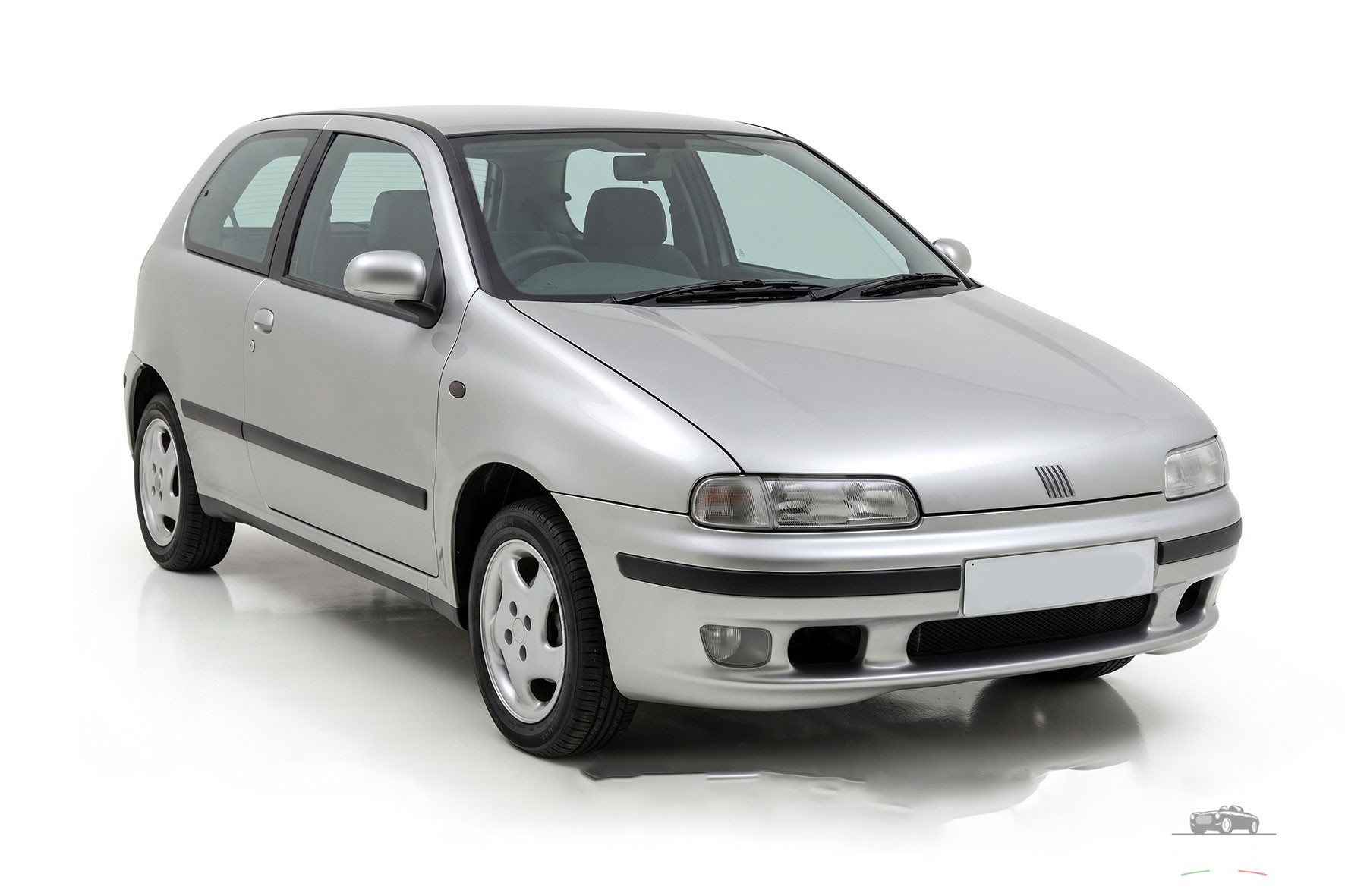
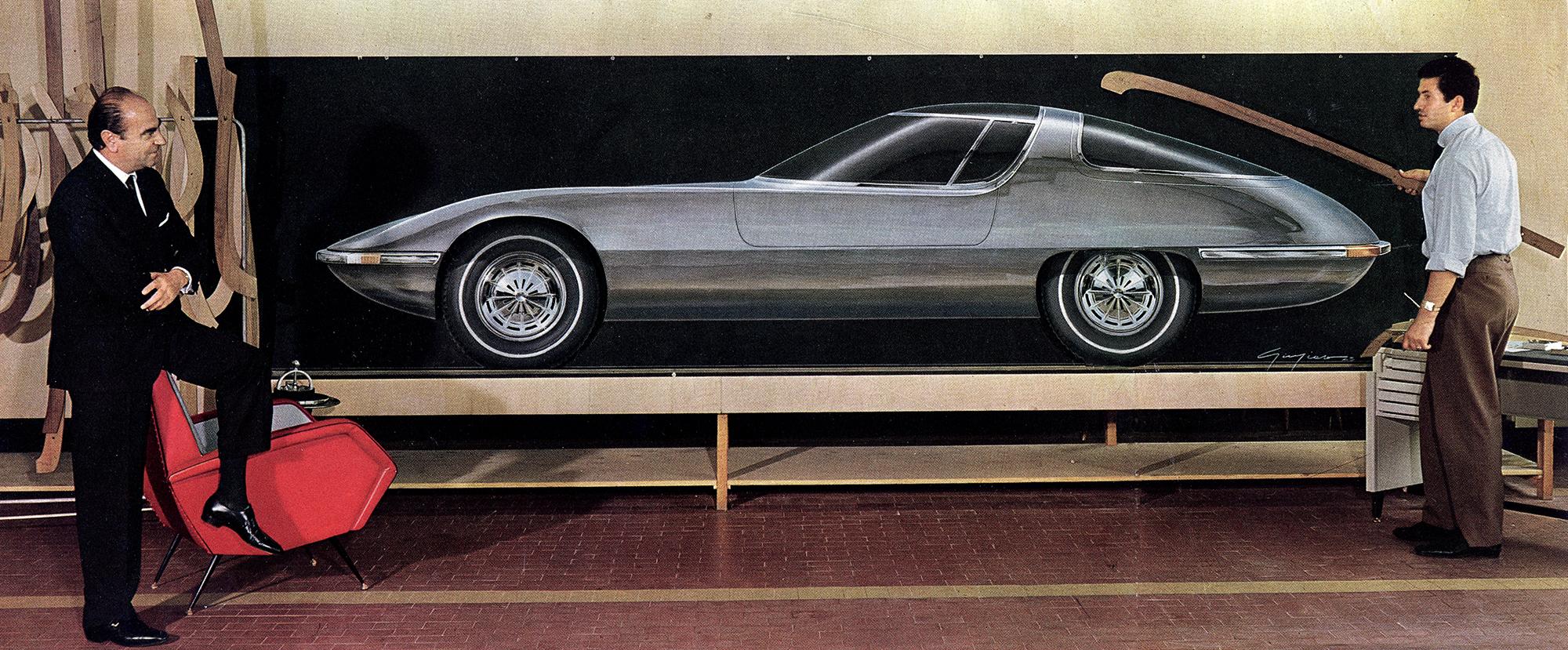
The Hyundai Stellar marked the end of an era for the automaker’s rear-wheel-drive sedans, as it was the last model to utilize this layout derived from Ford’s designs. Previously used in the Cortina, the Stellar’s platform featured an independent front suspension with an upper and lower arm setup, which contributed to precise steering and improved stability, particularly during cornering. At the rear, it incorporated a torsion beam setup with a longitudinal arm and a transverse Panhard rod, complementing the vehicle’s dynamic handling. The braking system was equipped with ventilated discs at the front and rear drum brakes, supported by hydraulic shock absorbers and a vacuum-assisted brake booster. Designed by Giorgetto Giugiaro at Italdesign, the Stellar boasted a clean and angular aesthetic. Its design was straightforward yet effective, characterized by a prominent front grille that was fully chrome-plated on higher trims. Inside, the Stellar featured simple finishes and plastic materials of moderate quality, which helped keep the vehicle’s price competitive against other models in the market. Higher-end versions were adorned with various chrome accents to enhance their visual appeal. The Stellar remained in production until 1991 but was phased out in North America starting in 1987, where it was succeeded by the Sonata. However, in Europe and Asia, the Stellar continued alongside its successor, the Sonica. The Sonica’s front-wheel-drive layout negatively impacted its road performance and handling compared to the Stellar. Despite this, Hyundai chose to keep the Stellar in its lineup until demand diminished to the point where it was no longer viable. The collaboration with Italdesign in particular Giorgetto Giugiaro highlighted Hyundai’s dedication to quality design, underscoring the company’s efforts to elevate its market position. This partnership not only improved the Stellar’s market competitiveness but also reinforced Hyundai’s commitment to delivering well-designed vehicles in a highly competitive automotive landscape.
IN THE ARCHIVE
Related people
IN THE ARCHIVE
Coachbuilders & design studios
02 / TECHNICAL IDENTITY
Specifications & construction
Production & construction
- Production type
- Mass
Engine & performance
- Specification notes
- First three-box sedan fully made in Korea; export-oriented production model with Giugiaro/Italdesign styling. Stable family values: wheelbase 2579 mm, width 1716 mm, height 1372 mm. Length is left blank because some later 2.0 GSL versions are longer.
Dimensions & accommodation
- Wheelbase
- 2,579 mm
- Width
- 1,716 mm
- Height
- 1,372 mm
Design & manufacture
- Designer · Candidate
- Giorgetto Giugiaro
- Design Studio · Documented
- Italdesign
- Manufacturer · Documented
- Hyundai
06 / EVENTS & AWARDS
Events & awards
No events or documented awards are currently recorded for this vehicle.
07 / THE VEHICLE IN DETAIL
Photo gallery
No publishable photographs are currently catalogued for this vehicle.
08 / FROM THE ARCHIVE
Archive
References held in the vehicle dossier. Their inclusion does not establish that every historical claim has been independently verified.
| Reference | Source type |
|---|---|
| Hyundai Stellar technical summary en.wikipedia.org | Historical technical corroboration |

THE CONVERSATION
Comments 0
Share a memory, a period photograph or a documented detail about this car.