
THE VEHICLE AT A GLANCE
Model dossier
- Production period
- 1997
- Body style
- Station Wagon / Hatchback / Berlina
- Type
- Mass
THE PEOPLE BEHIND THE CAR
Coachbuilding, design & conversions

PRICE & SALES RECORD
Vehicle value
- Original price
- Not documented
- Latest recorded sale
- Not documented
01 / THE STORY
History & context
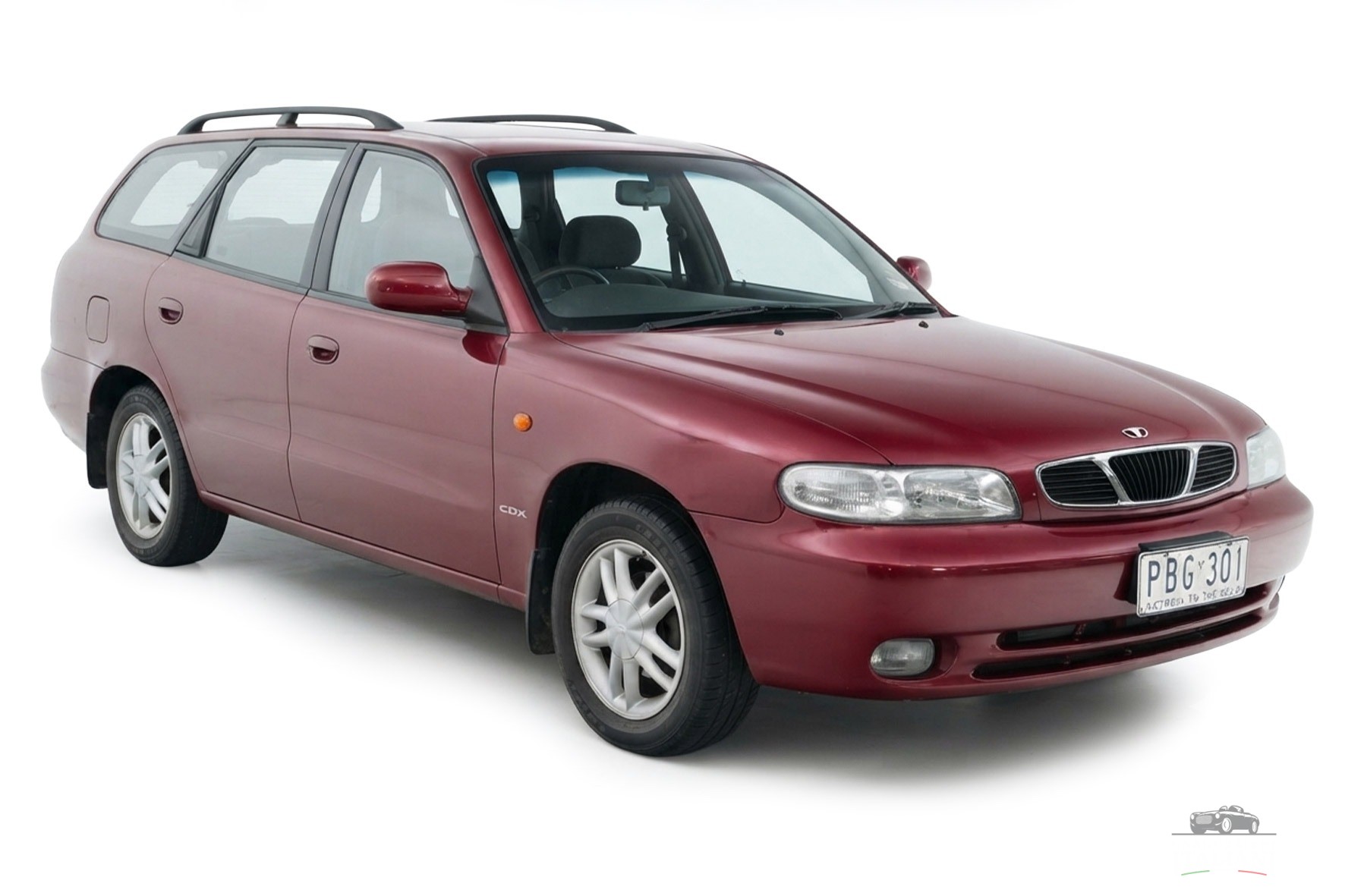
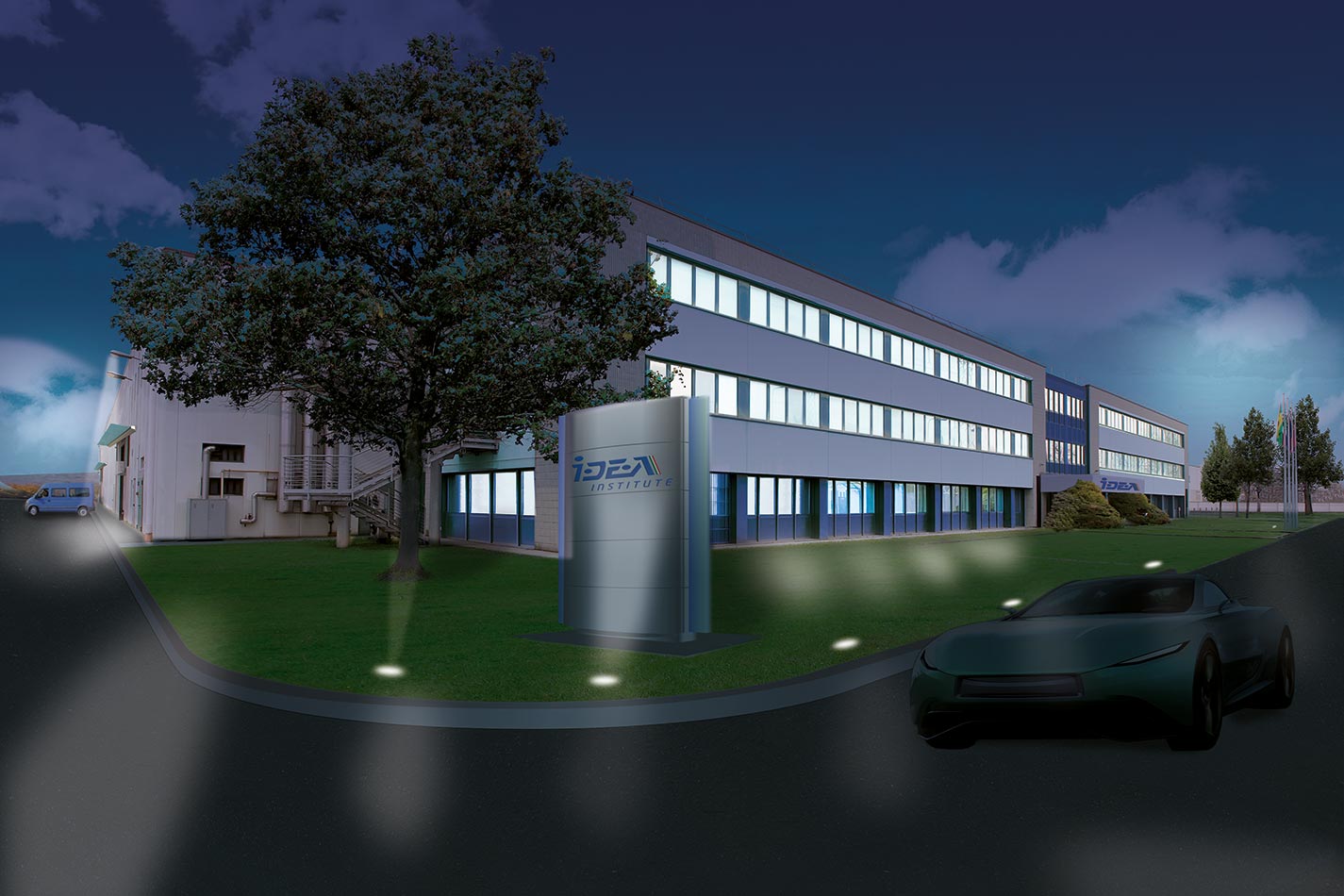
The Daewoo Nubira Wagon, launched in 1997, was part of the South Korean automaker’s J100 project and was styled by the renowned Italian design firm I.DE.A Institute. As Daewoo sought to expand its international presence in the late 1990s, it turned to European designers and engineers to help elevate the brand’s image and develop models suited to global markets. The Nubira Wagon, along with its sedan and hatchback counterparts, represented this new design-driven approach. The I.DE.A Institute’s contribution was instrumental in shaping the Nubira Wagon’s exterior, giving it a clean and contemporary look. The design emphasized practicality without compromising visual appeal. Smooth lines, a long roofline, and well-proportioned windows contributed to a cohesive and modern station wagon profile. Unlike more utilitarian wagons of the time, the Nubira presented a more refined and European aesthetic, tailored to appeal to customers in both domestic and export markets. The wagon body style provided enhanced versatility, especially for small families and active lifestyle users. The extended rear section allowed for generous cargo space, with a low loading floor and a flat-folding rear bench to further improve utility. With these features, the Nubira Wagon catered to buyers looking for a practical vehicle with the flexibility to handle everyday tasks and long-distance travel. Mechanically, the Nubira Wagon was offered with a range of inline-four gasoline engines, including 1.6-, 1.8-, and 2.0-liter options, depending on market. These were paired with either a five-speed manual or a four-speed automatic transmission. Though not performance-focused, the powertrains provided adequate reliability and efficiency for the class. Inside, the interior layout was conventional but functional, offering decent ergonomics and durable materials. Standard equipment varied by region but often included air conditioning, power accessories, and a factory stereo system. The Daewoo Nubira Wagon is notable for its integration of Italian design with Korean engineering. While it competed in a crowded segment, the car stood out for its styling and value. It remains a symbol of Daewoo’s transitional era, where collaborations with European firms like I.DE.A Institute helped lay the groundwork for broader brand recognition.
IN THE ARCHIVE
Coachbuilders & design studios
02 / TECHNICAL IDENTITY
Specifications & construction
Production & construction
- Production type
- Mass
- Mechanical platform
- Daewoo J100
Engine & performance
- Specification notes
- TECH 2026-09-21 — contemporary design sources identify the first-generation Nubira programme as J100. J100 is structured as the vehicle-family base; sedan, hatchback and wagon dimensions remain body-specific.
Design & manufacture
- Manufacturer · Documented
- Daewoo
- Design Studio / Engineering · Documented
- I.DE.A Institute
06 / EVENTS & AWARDS
Events & awards
No events or documented awards are currently recorded for this vehicle.
07 / THE VEHICLE IN DETAIL
Photo gallery 1 photographs
08 / FROM THE ARCHIVE
Archive
References held in the vehicle dossier. Their inclusion does not establish that every historical claim has been independently verified.
| Reference | Source type |
|---|---|
| Moto 12 Oct 1999 – Daewoo Nubira development sbc.org.pl | Period press |
| Goodwood Road & Racing – Daewoo Nubira www.goodwood.com | Specialist press |
THE CONVERSATION
Comments 0
Share a memory, a period photograph or a documented detail about this car.