
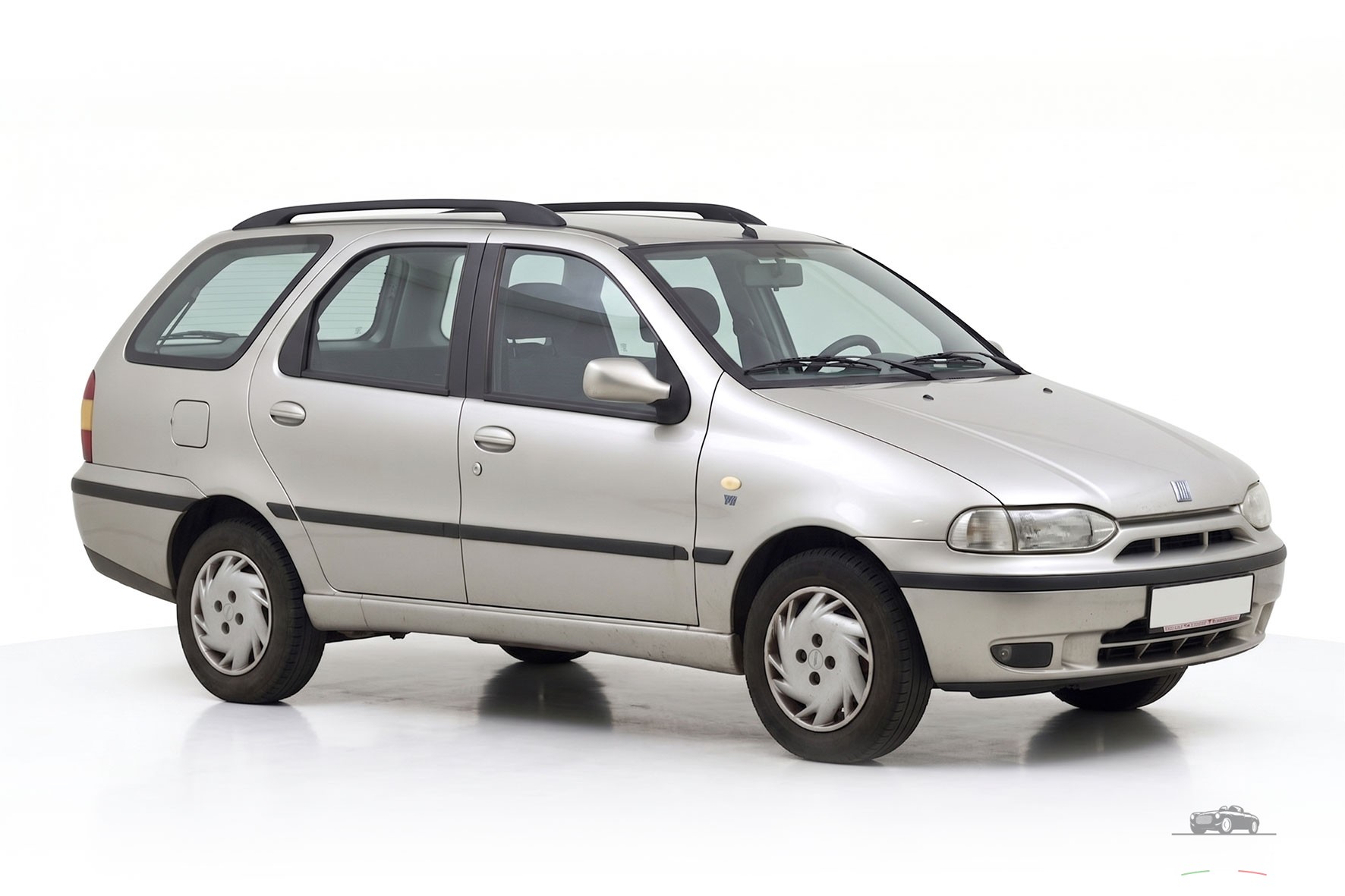
THE VEHICLE AT A GLANCE
Model dossier
- Manufacturer
- Fiat
- Base model
- Palio Weekend
- Version
- Initial station-wagon derivative of Project 178 family; I.DE.A Institute design role; distinct from later Italdesign restyle programme
- Production period
- 1997
- Body style
- Station Wagon
- Type
- Mass
THE PEOPLE BEHIND THE CAR
Coachbuilding, design & conversions

PRICE & SALES RECORD
Vehicle value
- Original price
- Not documented
- Latest recorded sale
- Not documented
01 / THE STORY
History & context
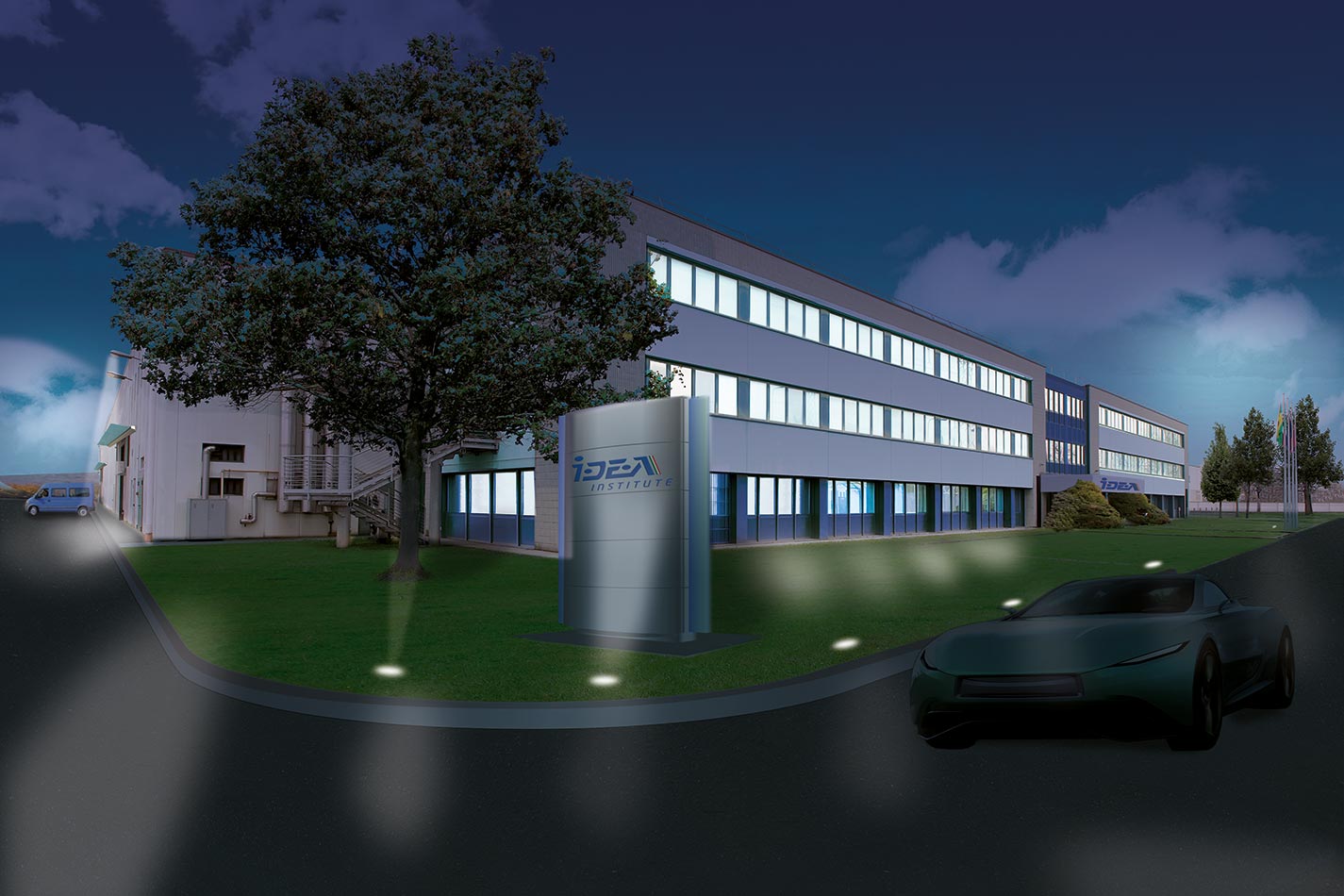
The Fiat Palio Weekend, introduced in 1996, was the station wagon variant of the Fiat Palio and formed part of Fiat’s ambitious Project 178—a global initiative aimed at developing a family of vehicles specifically tailored for emerging markets. The Palio Weekend was designed to provide a versatile, affordable solution for families and utility-focused consumers, combining European engineering with localized production in various regions, including South America, Eastern Europe, and Asia. The design of the Palio Weekend was the result of a collaboration between Fiat’s in-house Centro Stile and the Turin-based I.DE.A Institute. I.DE.A was responsible for shaping the exterior and interior, ensuring that the vehicle maintained a modern yet practical aesthetic suitable for global appeal. The result was a compact wagon with simple, robust lines and a layout that prioritized interior space and cargo capacity—features that would become key to the car’s international success. Built on a modified version of the Fiat Uno platform, the Palio Weekend was engineered with enhanced structural rigidity and a raised suspension system derived from the Fiat Punto. These features helped it better cope with the road conditions typical of its target markets. Its body structure was designed to be rugged and easy to repair, aligning with the maintenance needs and infrastructure of developing regions. The Palio Weekend offered a variety of engine options tailored to regional demands, including 1.2-liter and 1.6-liter petrol engines, as well as a 1.9-liter diesel. All configurations focused on delivering a balance of fuel efficiency, durability, and low running costs. In 2001, the Palio Weekend received a comprehensive facelift styled by Italdesign’s Giorgetto Giugiaro, which included cosmetic updates to the front and rear as well as a refreshed interior. Despite these updates, the original layout and packaging developed by I.DE.A Institute remained fundamentally unchanged. The Fiat Palio Weekend’s long production run and wide global distribution underscore its success as a utilitarian yet stylish station wagon. Its design, shaped significantly by I.DE.A Institute, helped Fiat penetrate diverse international markets with a vehicle that combined Italian design with functional, real-world usability.
IN THE ARCHIVE
Coachbuilders & design studios
02 / TECHNICAL IDENTITY
Specifications & construction
Production & construction
- Production type
- Mass
Engine & performance
- Transmission
- 5-speed manual
- Drive
- Front-wheel drive
- Specification notes
- 1997 initial Palio Weekend station-wagon body baseline: 5-speed manual family, FWD, wheelbase 2423 mm, dimensions 4130 × 1614 × 1515 mm. Engine/output/weight remain version-level.
Dimensions & accommodation
- Wheelbase
- 2,423 mm
- Length
- 4,130 mm
- Width
- 1,614 mm
- Height
- 1,515 mm
Design & manufacture
- Manufacturer · Documented
- Fiat
- Design Studio / Engineering · Documented
- I.DE.A Institute
06 / EVENTS & AWARDS
Events & awards
No events or documented awards are currently recorded for this vehicle.
07 / THE VEHICLE IN DETAIL
Photo gallery
No publishable photographs are currently catalogued for this vehicle.
08 / FROM THE ARCHIVE
Archive
References held in the vehicle dossier. Their inclusion does not establish that every historical claim has been independently verified.
| Reference | Source type |
|---|---|
| Auto&Design archive no. 103 – I.DE.A Institute Palio Week-End & Siena shop.autodesignmagazine.com | Design trade archive |
| FIAT / Stellantis Media – Fiat Palio family www.media.stellantis.com | Manufacturer official |
| 1997 Fiat Palio Weekend European range www.automobile-catalog.com | Specialist range technical reference |
THE CONVERSATION
Comments 0
Share a memory, a period photograph or a documented detail about this car.