
THE VEHICLE AT A GLANCE
Model dossier
- Production period
- 1972
- Body style
- Coupé
- Engine
- Air-cooled flat-4 petrol
- Type
- Concept
- Displacement
- 1,055 cc
- Power
- 55 hp
- Seats
- 2
THE PEOPLE BEHIND THE CAR
Coachbuilding, design & conversions


PRICE & SALES RECORD
Vehicle value
- Original price
- Not documented
- Latest recorded sale
- Not documented
01 / THE STORY
History & context
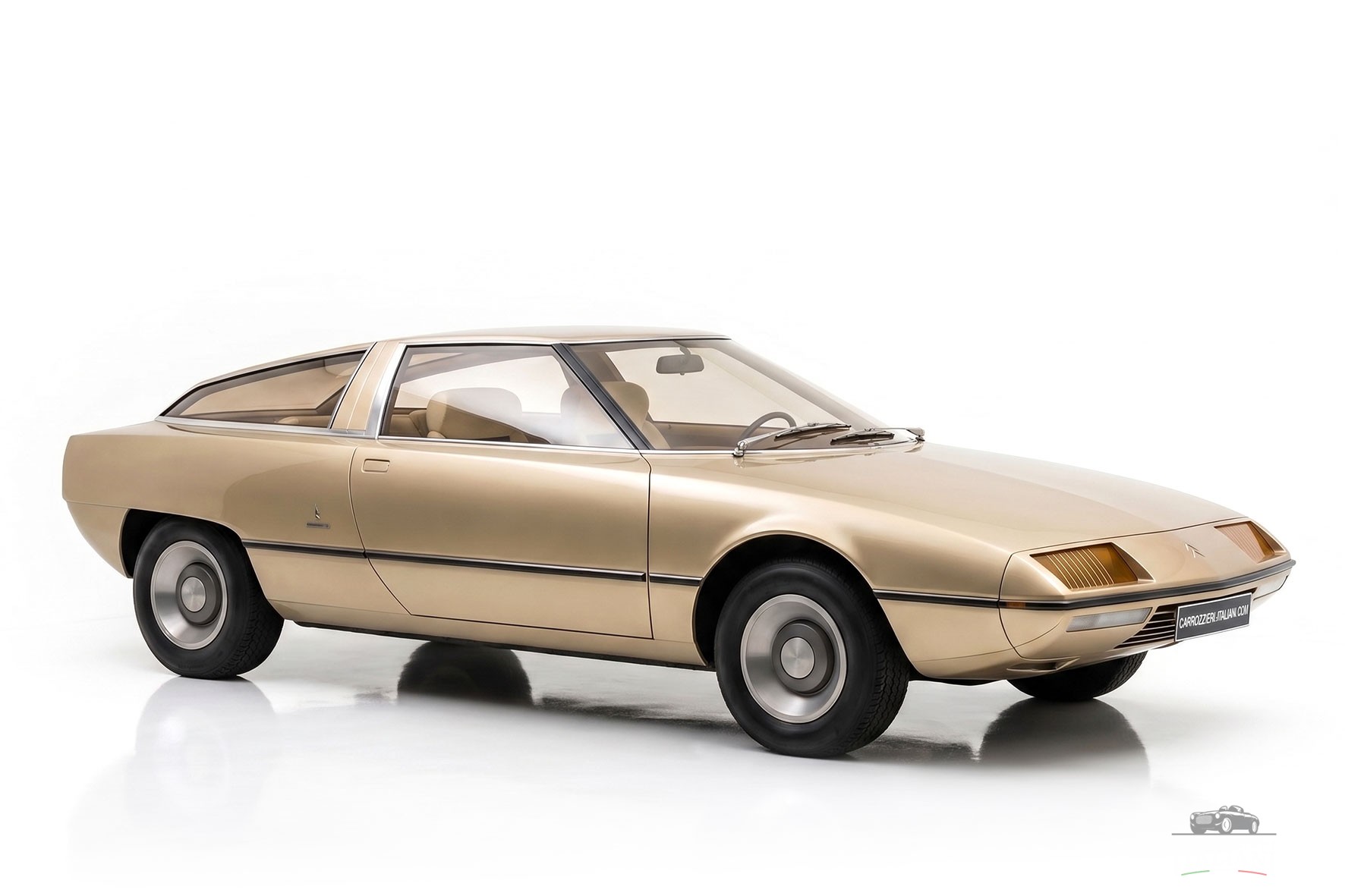
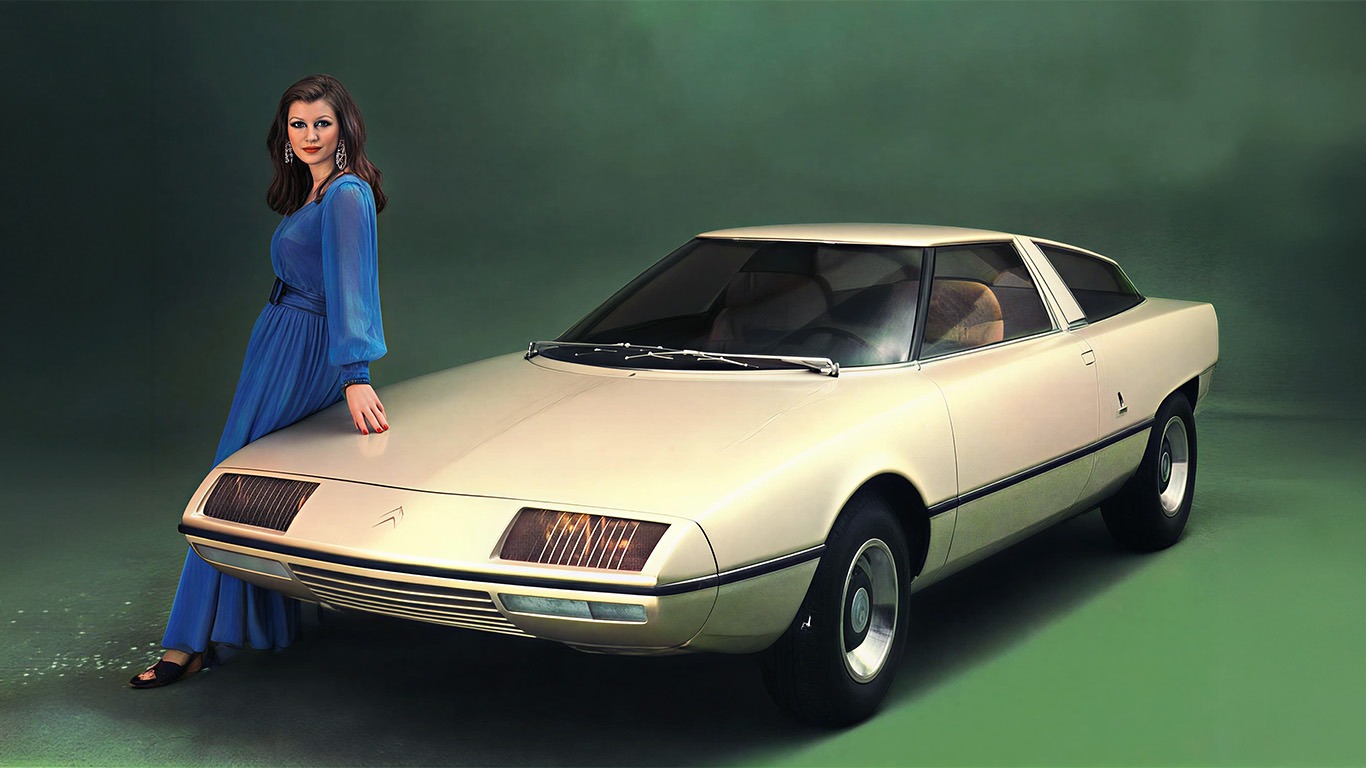
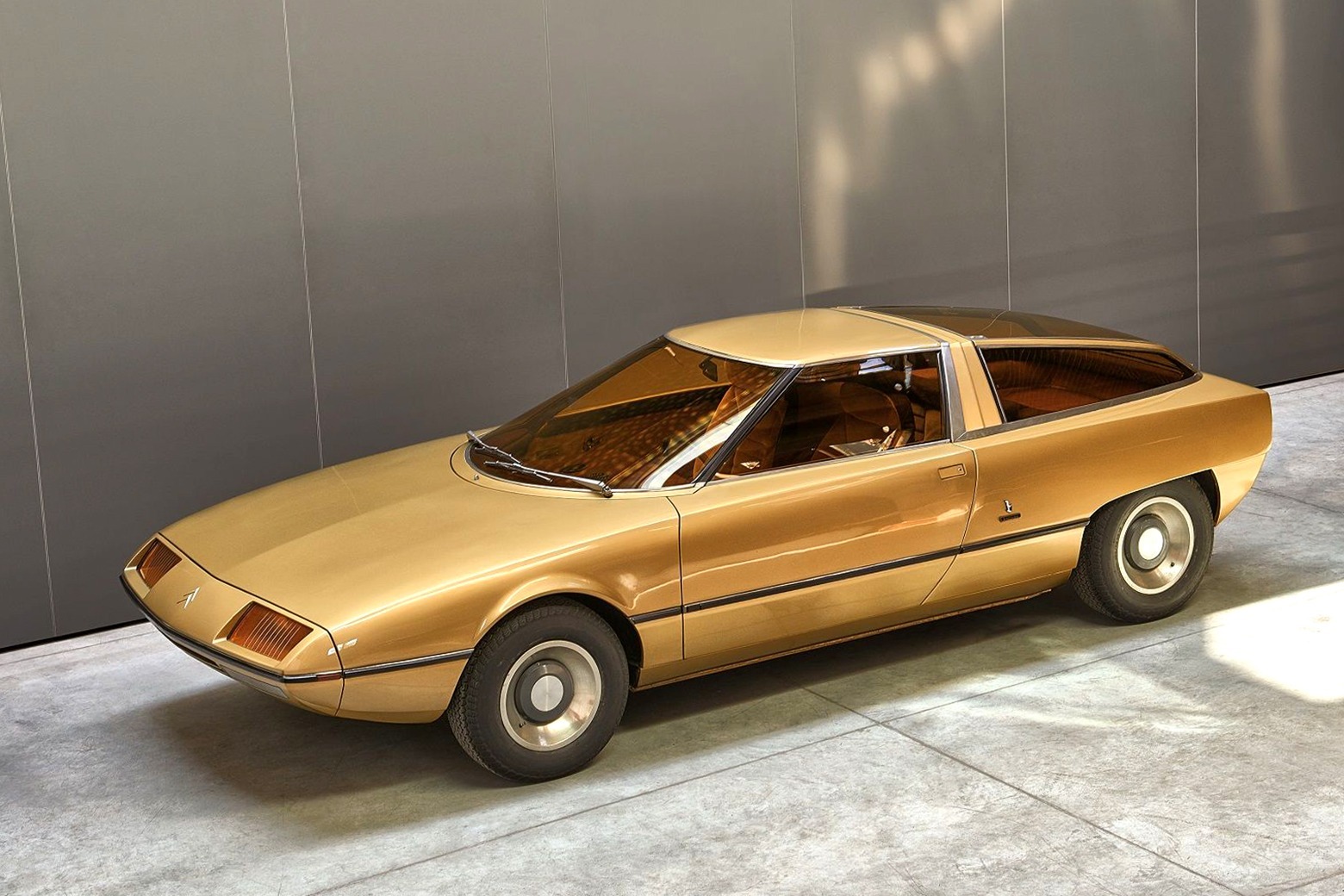
The Citroën Camargue, a concept car based on the Citroën GS, was unveiled in 1972 at the Geneva Motor Show, later appearing at the London Motor Show in the same year. Designed by Bertone, this two-door coupé with a 2+2 seating configuration was a significant milestone in the partnership between Citroën and Bertone, marking the beginning of a collaboration that would later yield the successful Citroën BX. The Camargue was built on the mechanical platform of the 1-liter GS sedan, with the same overall length but a 6 cm (2.4 in) increase in width, giving it a more substantial presence. The car also featured a lowered stance, 2 cm lower than the GS, improving its aerodynamics and visual appeal. Its design was led by Marc Deschamps, who had only just joined Bertone in 1972. Deschamps, having recently purchased a GS, proposed the idea for a concept car based on the model, and Nuccio Bertone, encouraged by his marketing director’s suggestion to approach Citroën, quickly approved the project. Citroën had already been considering a GS coupé since 1968, and the timing was perfect for this new collaboration. Although Marcello Gandini was preoccupied with other projects, he was still involved in the Camargue’s development, contributing to the design of the minimalistic interior alongside Eugenio Pagliano. Remarkably, the entire project was completed in just five weeks, a testament to the efficiency and creativity of the Bertone team. The Camargue’s sleek, elegant design featured a distinctive rear window with twin glass bezels and a prominent roll cage, while the front was highlighted by a curved windshield—a defining feature of Citroën’s design ethos at the time. Despite being a groundbreaking project for Bertone and Citroën, the Camargue was not the first collaboration between the two. Behind the scenes, Citroën had previously approached Bertone to design a four-door version of the SM, based on the coupé platform. However, after a feasibility study revealed that the rear seat space would be insufficient without a longer wheelbase, Citroën refused to alter the chassis, and the project was abandoned. Instead, the Camargue served a different purpose: it was not the opening of a new door with Citroën, but rather the prevention of that door closing altogether. Following the Camargue’s debut, Bertone was invited to work on the Citroën BX project in 1977, further solidifying the ongoing relationship between the two companies. The Camargue’s name was inspired by the beautiful region of southern France, evoking a sense of allure and sophistication that matched its striking design. The Camargue’s legacy endured beyond its initial showings. After Bertone’s bankruptcy in 2015, the car was slated for auction, along with other automotive treasures from the company’s collection. However, in a fortunate turn of events, the Automobile Club d’Italia (ASI) acquired the Camargue, ensuring its preservation for future generations. The Citroën Camargue remains a timeless symbol of the fusion of French innovation and Italian design, captivating automotive enthusiasts with its distinct style and enduring legacy.
IN THE ARCHIVE
Related people
IN THE ARCHIVE
Coachbuilders & design studios
02 / TECHNICAL IDENTITY
Specifications & construction
Production & construction
- Production type
- Concept
- Mechanical platform
- Citroën GS mechanical basis
Engine & performance
- Engine configuration
- Air-cooled flat-4 petrol
- Displacement
- 1,055 cc
- Power (hp)
- 55 hp
- Drive
- Front-wheel drive
- Specification notes
- Citroën/Stellantis confirms GS Camargue as a fully functioning two-seat Bertone dream car based on the Citroën GS. Bertone-source-derived histories state that GS mechanicals were retained, including the 1055 cc air-cooled flat-four rated at 55 hp, hydropneumatic suspension and front-wheel drive.
Dimensions & accommodation
- Length
- 4,120 mm
- Width
- 1,680 mm
- Height
- 1,150 mm
- Seats
- 2
Design & manufacture
- Coachbuilder / Body Builder · Documented
- Bertone
- Designer · Documented
- Marcello Gandini
- Manufacturer · Documented
- Citroën
04 / INDIVIDUAL HISTORY
Chassis & provenance
Ownership & provenance
- Ownership & history · Legacy attribution
- Car Collection
06 / EVENTS & AWARDS
Events & awards
Geneva General · legacy_preserved
- Date
- 1972
- Chassis
- General
Preserved CI 1.0 relation. Evidence field: _yoast_wpseo_primary_events. No award inferred.
07 / THE VEHICLE IN DETAIL
Photo gallery 24 photographs
Show 18 more photographs Show fewer photographs
08 / FROM THE ARCHIVE
Archive
References held in the vehicle dossier. Their inclusion does not establish that every historical claim has been independently verified.
| Reference | Source type |
|---|---|
| Citroën Centenary — Camargue 1972 professionnel.citroen.fr | Manufacturer official history |
| Citroën Origins — GS / GS Camargue www.citroenorigins.it | Manufacturer heritage |
THE CONVERSATION
Comments 0
Share a memory, a period photograph or a documented detail about this car.