
THE VEHICLE AT A GLANCE
Model dossier
- Manufacturer
- BMW
- Base model
- Garmisch
- Coachbuilt version
- 1970 original + 2019 BMW recreation — two physical objects
- Coachbuilder
- Bertone
- Production period
- 1970
- Body style
- Coupé
- Type
- Concept
THE PEOPLE BEHIND THE CAR
Coachbuilding, design & conversions


PRICE & SALES RECORD
Vehicle value
- Original price
- Not documented
- Latest recorded sale
- Not documented
01 / THE STORY
History & context
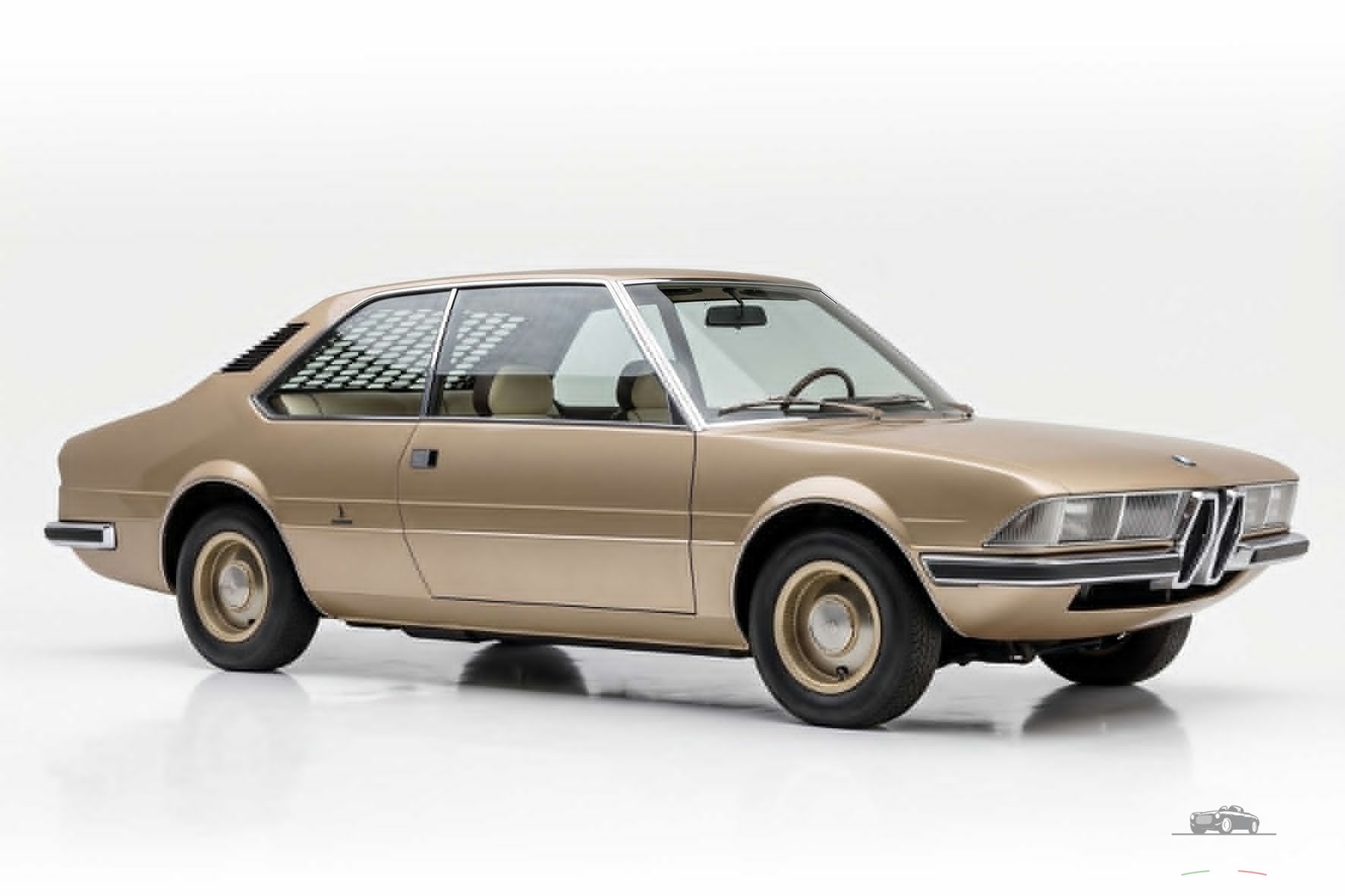
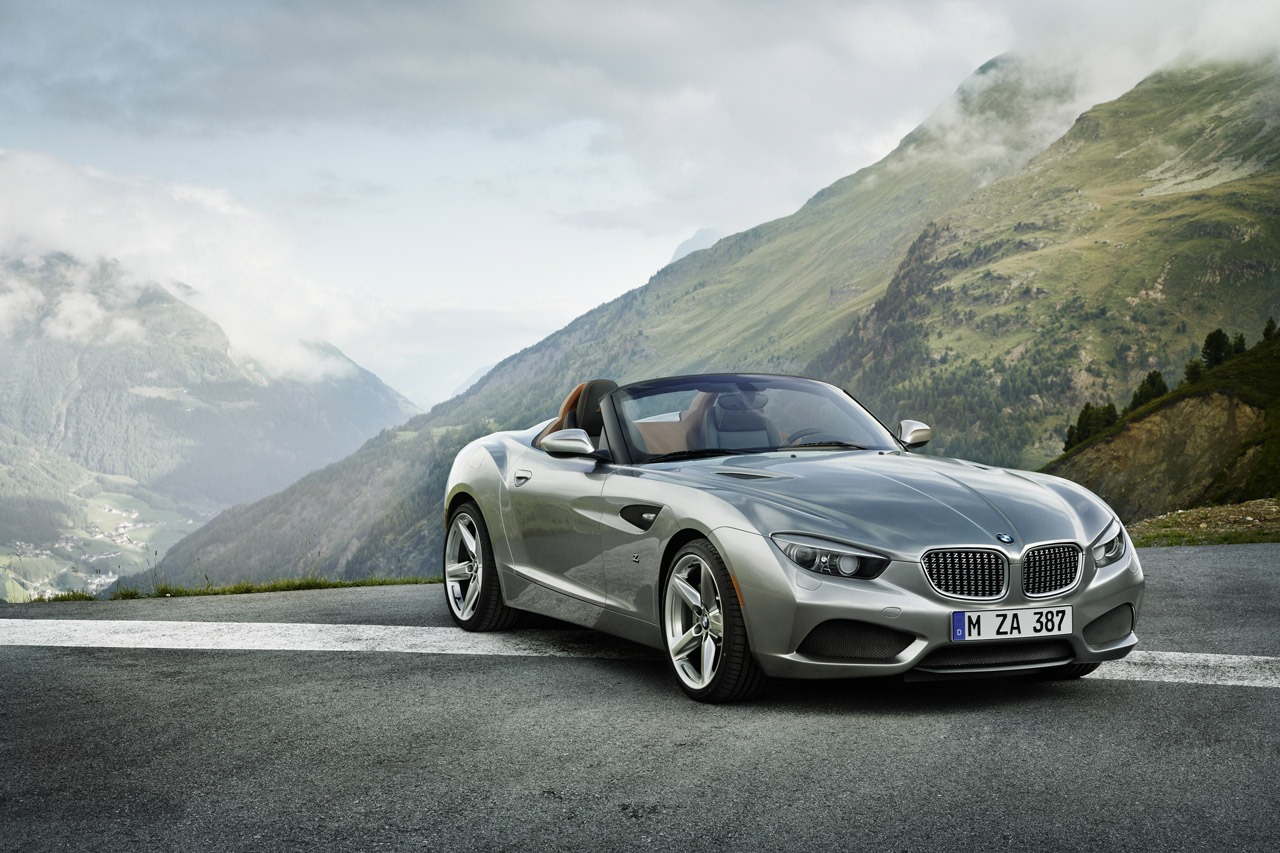
The BMW 2200 Garmisch, a four-seater coupé, was a striking design presented by Bertone at the 1970 Geneva Motor Show. With its clean and elegant lines, the Garmisch marked a new direction in automotive design, moving toward more practical and production-focused styling. The car featured large rectangular headlights, a sleek linear motif running along its wings, and a unique honeycomb-patterned rear windscreen. Bertone paid close attention to the smallest details, ensuring that both functionality and visual appeal were balanced in every element of the design. This concept was part of a broader shift in Italian car design during the early 1970s, as the industry began to focus on more concrete, production-ready solutions in response to economic challenges. Beyond its aesthetic value, the Garmisch concept also hinted at BMW’s future design language. It wasn’t just a show car; it was a preview of what was to come. The car’s name, “Garmisch,” was also a subtle reference to the Bavarian Alps town, tying it to the popular winter sports culture in Italy at the time. More importantly, it also alluded to the 1936 Winter Olympics, held in nearby Garmisch-Partenkirchen, Germany. This was a subtle nod to the upcoming 1972 Munich Olympics, which would take place just as BMW was unveiling its new designs, including the Series 5 sedan. In this way, the Garmisch concept acted as a bridge between BMW’s past and its future, foreshadowing the next chapter in the company’s evolution. The Garmisch was also part of a larger discussion at BMW about its next coupé. At the time, the company was still debating whether to build a roadster or a grand tourer. While BMW worked with French coachbuilder Brissonneau & Lotz on a roadster design, the Garmisch coupé; developed by Marcello Gandini and Manfred Rennen; offered a vision of a sportier, more refined vehicle. Built on the 2002 Ti platform, it featured diamond-shaped front grilles, thin headlights, and a geometric rear glass covering, all contributing to its unique character. Inside, the car featured luxurious cream-colored leather, further elevating its stylish and sophisticated design. Sadly, after its debut at the Geneva Motor Show, the Garmisch seemingly vanished on its way to BMW’s headquarters in Munich. Despite numerous reports, the car’s whereabouts remain a mystery, leaving only a handful of black-and-white photographs to preserve its legacy. Recently, however, the Garmisch has been brought back to life digitally, thanks to 3D design technology and the memories of Marcello Gandini, Bertone’s former design leader. The creation of the Garmisch was part of a significant period of change at BMW. In December 1968, Wilhelm Hofmeister was promoted to Director of Studies, a role that included reshaping BMW’s design direction. He reconnected with both Bertone and Frua, both of which had worked with BMW in the past. Bertone’s involvement was particularly crucial, as the Garmisch and his work on the E12 sedan helped establish the brand’s new design direction. Hofmeister, who played a pivotal role in shaping the company’s vision, wanted the Garmisch to be a concept that would bridge the gap to the future of BMW design, culminating in the Series 5 and Series 6 models. Though the Garmisch concept never made it to production, it left a lasting mark on BMW’s design history. It served as a precursor to the Series 5 E12 and eventually the Series 6 E24 coupé, helping set the stage for the brand’s evolving aesthetic in the years that followed. The Garmisch remains a key piece of BMW’s design legacy, connecting the company’s past with the innovative future it was poised to embrace.
IN THE ARCHIVE
Related people
IN THE ARCHIVE
Coachbuilders & design studios
02 / TECHNICAL IDENTITY
Specifications & construction
Production & construction
- Production type
- Concept
- Mechanical platform
- BMW 2002 tii
Engine & performance
- Specification notes
- BMW Group's reconstruction research confirms that Marcello Gandini and Bertone created the original Garmisch by rebuilding a BMW 2002 tii in four months for Geneva 1970. Because original technical documentation is sparse and the surviving record title reflects the period 2200 TI naming, no production-engine figures are auto-inherited.
Design & manufacture
- Coachbuilder / Body Builder · Documented
- Bertone
- Designer · Documented
- Marcello Gandini
- Manufacturer · Documented
- BMW
04 / INDIVIDUAL HISTORY
Chassis & provenance
Ownership & provenance
- Ownership & history · Legacy attribution
- Destroyed · Museum Car
06 / EVENTS & AWARDS
Events & awards
Geneva Motor Show General · legacy_preserved
- Date
- 1970
- Chassis
- General
Preserved CI 1.0 relation. Evidence field: _yoast_wpseo_primary_events. No award inferred.
Geneva General · From the historical archive
- Date
- 1970
- Chassis
- General
07 / THE VEHICLE IN DETAIL
Photo gallery 5 photographs
08 / FROM THE ARCHIVE
Archive
References held in the vehicle dossier. Their inclusion does not establish that every historical claim has been independently verified.
| Reference | Source type |
|---|---|
| BMW Group PressClub — BMW Garmisch reconstruction www.press.bmwgroup.com | Manufacturer official history |
THE CONVERSATION
Comments 0
Share a memory, a period photograph or a documented detail about this car.