
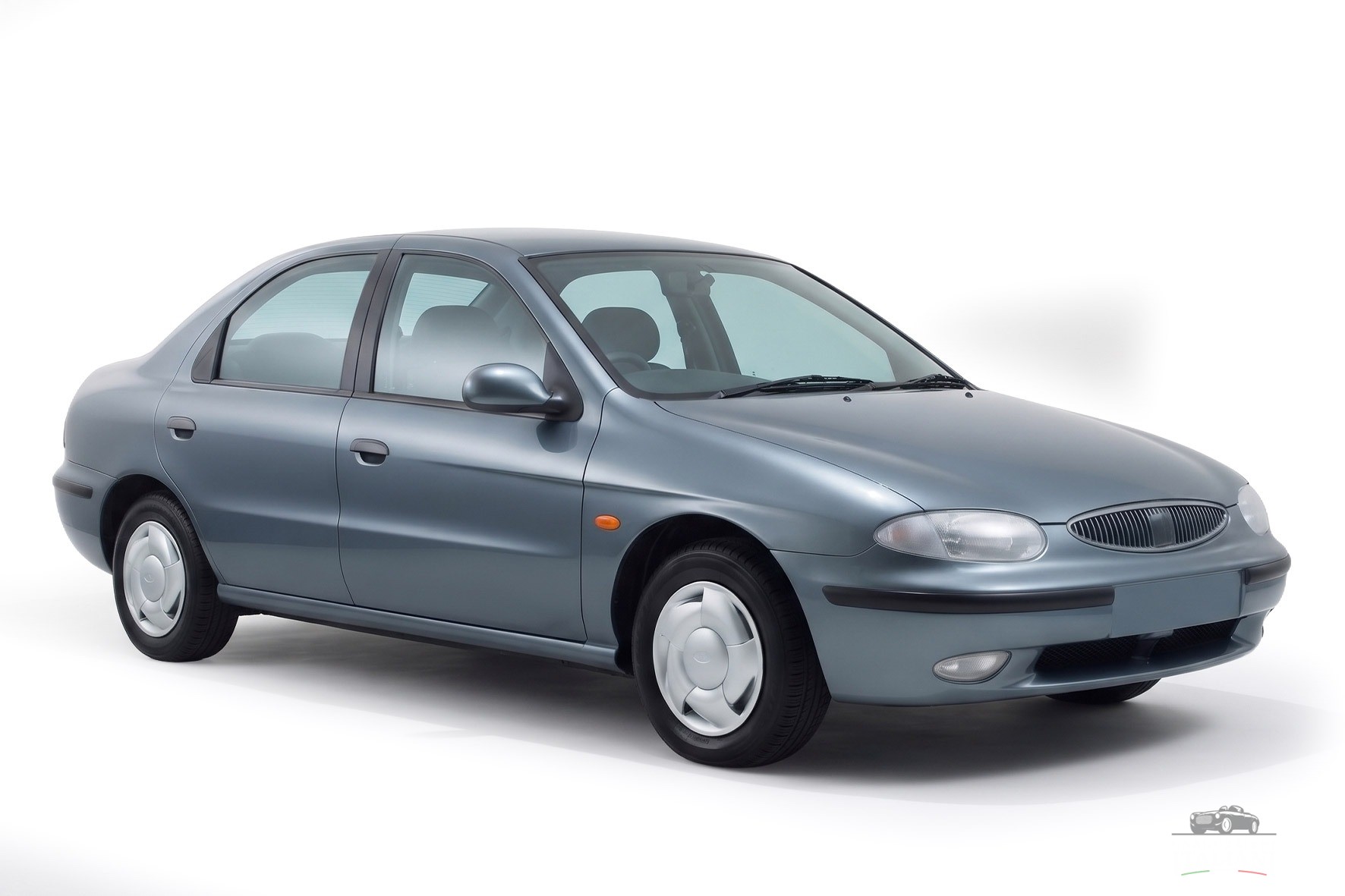
THE VEHICLE AT A GLANCE
Model dossier
- Production period
- 1997
- Body style
- Berlina
- Engine
- Inline-4
- Type
- Prototype
THE PEOPLE BEHIND THE CAR
Coachbuilding, design & conversions

PRICE & SALES RECORD
Vehicle value
- Original price
- Not documented
- Latest recorded sale
- Not documented
01 / THE STORY
History & context
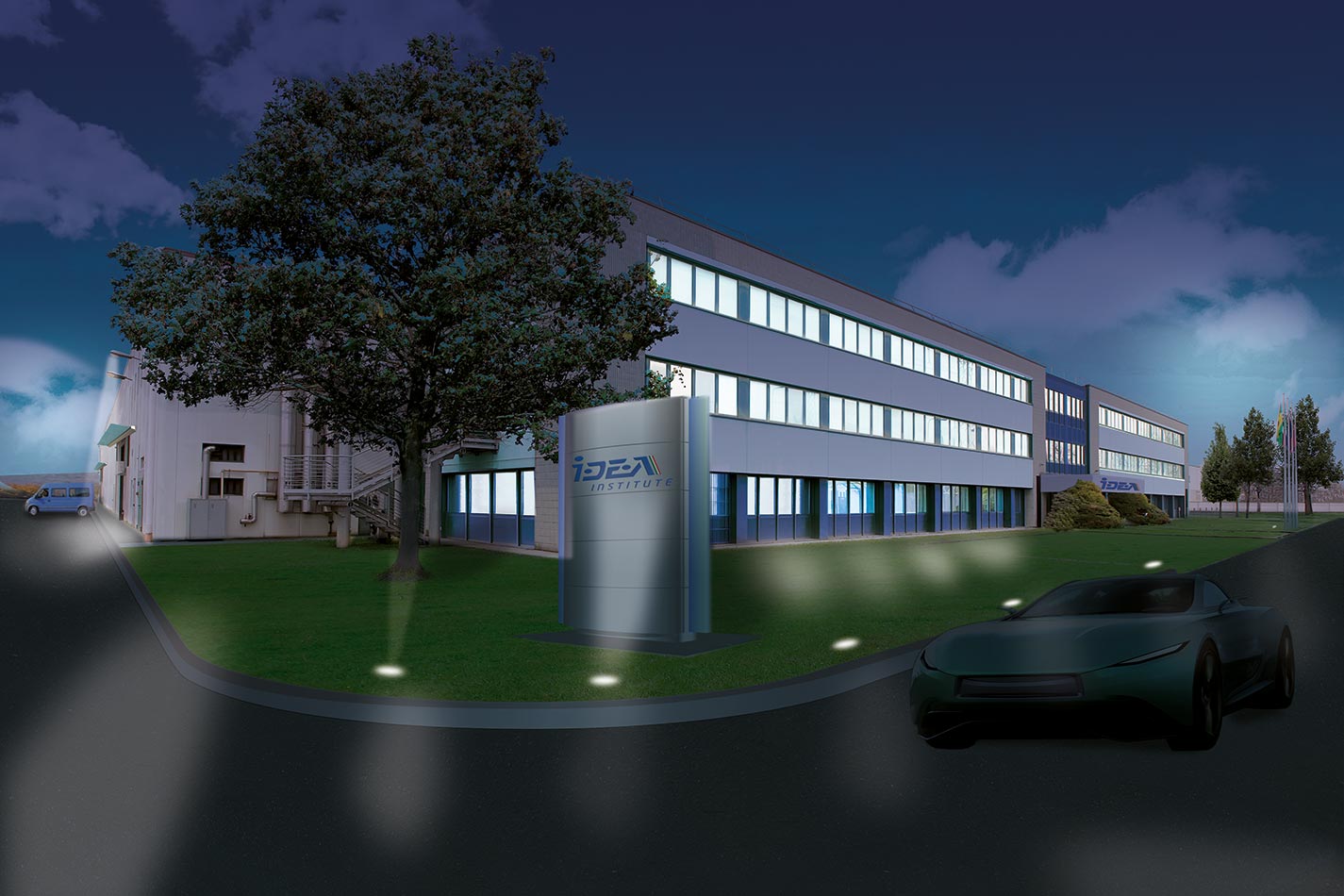
The Dacia D33 is a Romanian prototype passenger car developed by Uzinele Dacia in the late 1990s, of which no more than two units were built—a static scale model (1:1) and a functional prototype. The project remained at the prototype stage and was ultimately abandoned following the acquisition of Dacia by Renault in 1999. Between 1997 and 1998, significant work was invested into the vehicle’s design, engineering, and technical components, including decisions about powertrain configurations and onboard equipment. The car was scheduled to be unveiled at the 1999 Bucharest Auto Show. Designed in collaboration with the IDeA Institute in Turin, the D33 was envisioned as a completely modern and affordable compact sedan, aimed at replacing the aging Dacia 1310 and the underperforming Nova. The car was designed by Dacia engineers alongside the CESAR S.A. research center, and featured a modern four-door sedan layout, offering space for five passengers. It was intended for both the domestic and Western European markets. The D33 underwent various tests between 1997 and 1998 and promised to bring features rarely seen in Romanian cars at the time, such as ABS, airbags, power steering, centralized locking, stereo systems, catalytic converters, and engines with four valves per cylinder. These were bold steps for Dacia, aiming to match contemporary Western standards in performance, safety, and equipment. The engine range was to include both Romanian-developed units and Hyundai-sourced engines, with power outputs ranging from 80 to 100 horsepower, including options for petrol and diesel. The body style was a classic three-box sedan, with future plans for estate, hatchback, and possibly utility versions. The car was expected to retail for around $5,000, making it an attractive offering. However, Renault’s acquisition halted the project. The sole surviving prototype is said to remain stored within Dacia’s factory premises, a symbol of an ambitious project cut short by corporate transition.
IN THE ARCHIVE
Coachbuilders & design studios
02 / TECHNICAL IDENTITY
Specifications & construction
Production & construction
- Production type
- Prototype
Engine & performance
- Engine configuration
- Inline-4
Design & manufacture
- Manufacturer · Documented
- Dacia
- Design Studio / Engineering · Documented
- I.DE.A Institute
06 / EVENTS & AWARDS
Events & awards
No events or documented awards are currently recorded for this vehicle.
07 / THE VEHICLE IN DETAIL
Photo gallery 4 photographs
08 / FROM THE ARCHIVE
Archive
References held in the vehicle dossier. Their inclusion does not establish that every historical claim has been independently verified.
| Reference | Source type |
|---|---|
| I.DE.A Institute history www.carrozzieri-italiani.com | Design studio history |
THE CONVERSATION
Comments 0
Share a memory, a period photograph or a documented detail about this car.