
The Grand History of Carrozzeria Cesare Sala
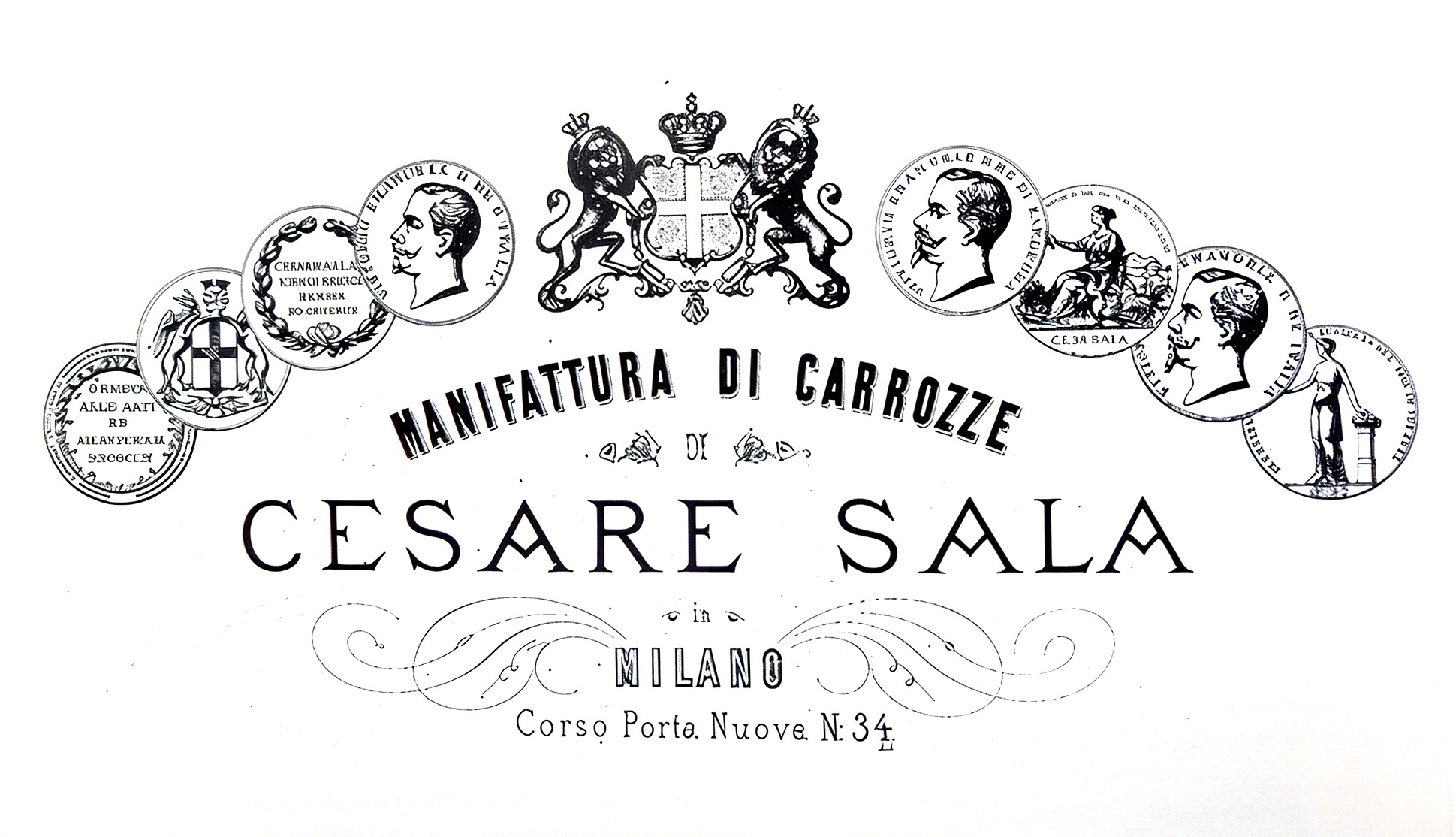
Imagine late 19th-century Milan, where ornate horse-drawn carriages glide past on cobbled streets. In this world of aristocratic grandeur, one name stood out as a byword for elegance and opulence: Cesare Sala. His coachbuilding workshop crafted vehicles fit for royalty long before the advent of the automobile. From gilded state carriages that dazzled emperors to bespoke motorcars for the elite, the story of Carrozzeria Cesare Sala is a fascinating journey through changing times. It is a tale of artistry, innovation, and adaptation – all delivered with a professional craftsmanship that made the Sala name legendary in Italian coachbuilding.
Origins in an Age of Carriages
The roots of Carrozzeria Cesare Sala reach back into the golden age of carriages. Though the company is officially recorded as founded in 1887 in Milan, the Sala family’s coachbuilding heritage began even earlier. Records show a Sala workshop active in Turin as early as 1852 – a time when Italy was not yet unified and horse-drawn coaches were the pinnacle of road travel. By the mid-19th century, Cesare Sala’s craftspeople were already renowned for their fine carriages. Indeed, the House of Savoy, Italy’s reigning royal family, became loyal patrons. Historical inventories note that between 1860 and 1871 no fewer than nine Sala-built carriages were in the Savoyard royal stables. This included an array of elegant broughams and breaks, underscoring how entrenched Sala’s reputation was among Europe’s high nobility.
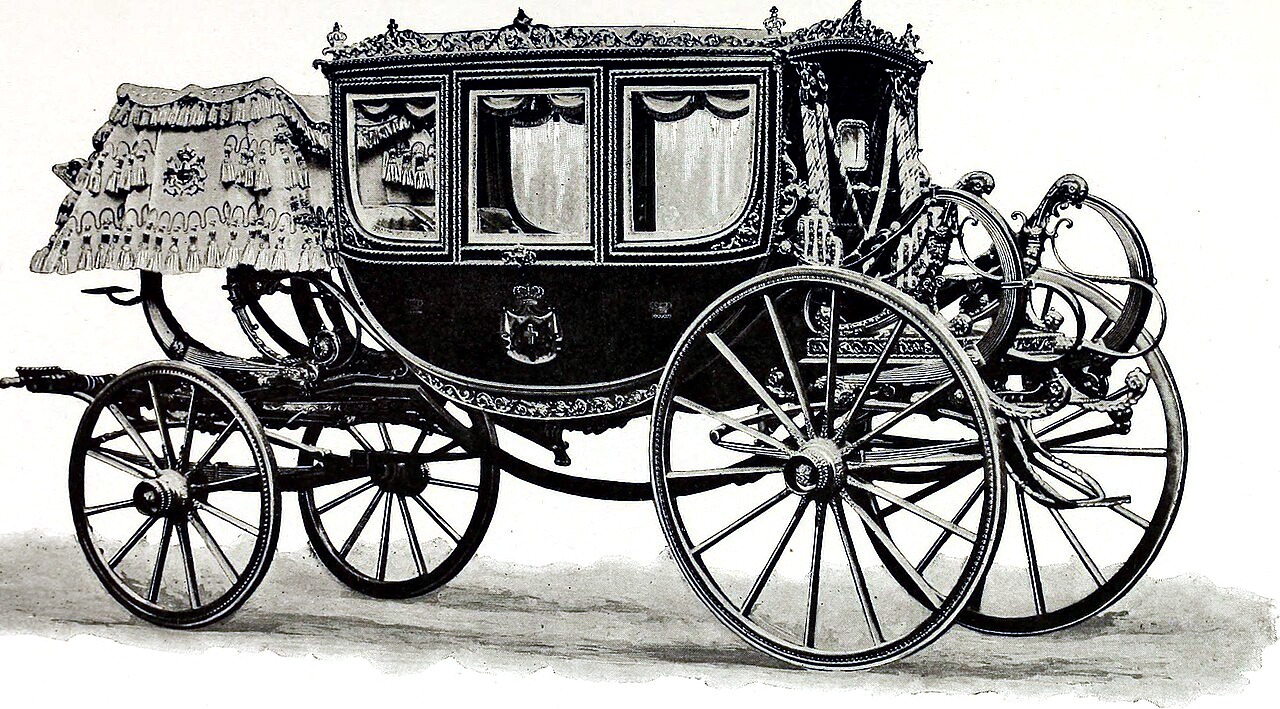
Cesare Sala’s early masterpieces did not merely serve the Italian royals; they caught the eye of courts across the continent. He was commissioned to build opulent coaches for Empress Elisabeth of Austria (the famed “Sisi”) and for Queen Wilhelmina of the Netherlands, among other distinguished clients. Such was the esteem for Sala’s workmanship that even the Habsburg and Dutch monarchies – each with their own traditions of carriage-building – sought out the Milanese atelier for state coaches. Nearer to home, Sala became the favorite of the Italian aristocracy and royalty. In 1871, Cesare Sala exhibited two of his carriages at the great Italian Industrial Exhibition in Milan, one of them built especially for the young Prince of Naples (the future King Vittorio Emanuele III). A few years later, between 1873 and 1877, he constructed a magnificent gala carriage for King Vittorio Emanuele II himself. We can easily imagine that splendid coach – a grand Baroque vehicle, likely lacquered and gilded – carrying the King in state processions, every inch a moving work of art. These early triumphs cemented Sala’s status as “carriage-maker to kings”, an honor reflected in his company’s very emblem: at some point the royal House of Savoy granted Sala the right to incorporate the Savoy crown into the firm’s logo, marking him as an official supplier to the Crown.
🔗 Read more: The History of Italian Coachbuilders
One particularly enchanting creation from this era was a child’s carriage that Sala crafted in 1878 for the Prince of Naples. It was no ordinary pram, but a fantastical three-wheeled carrozzella shaped like a giant seashell – carved and gilded, with a glossy blue interior and the initials “V.E.” (for Vittorio Emanuele) beneath a tiny princely crown at front and back. Designed to be pushed by hand, this luxurious toy coach even featured delicate bronze handles and satin upholstery. Little Vittorio Emanuele – not yet burdened by affairs of state – could ride in comfort and style. Such whimsical yet extravagant commissions illustrate the lengths to which Cesare Sala would go to satisfy his noble clientele. Even in an age when coachbuilding was a common trade, Sala’s creations stood a cut above in imagination and refinement. Clients described his carriages as the epitome of luxury, with impeccable fit and finish; they were expensive, yes, but “undoubtedly worth the price” to those who could afford the very best.
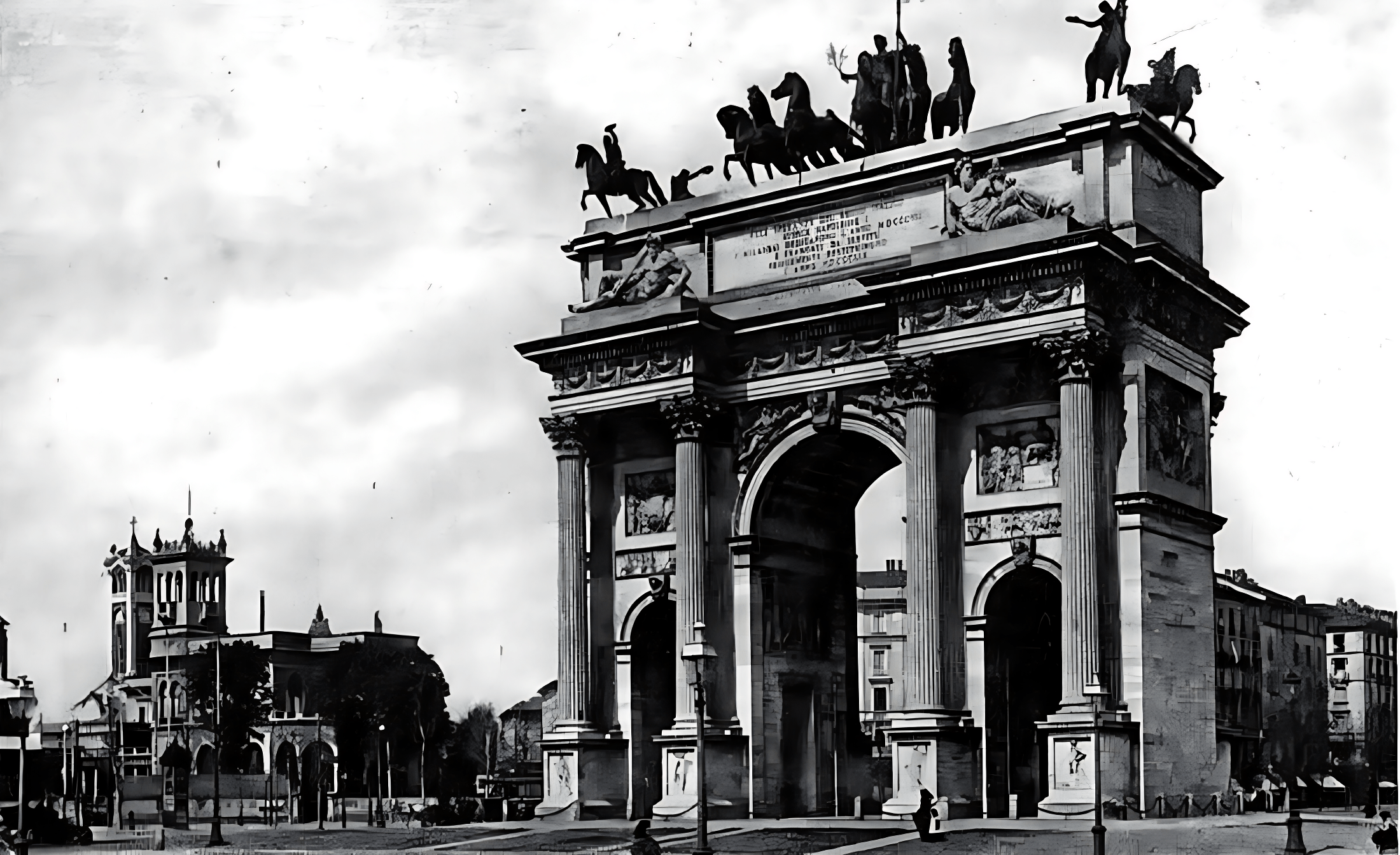
By the 1880s, Cesare Sala’s carriage works in Milan (located at Corso Sempione 45 and Corso di Porta Nuova 34) was a thriving enterprise. Teams of artisans – woodworkers, gilders, upholsterers – labored to produce coaches that were both mechanically robust and aesthetically splendid. Sala’s reputation for “extreme opulence” had even spread beyond Italy; he was known to provide lavish carriages to the court in Vienna and to aristocrats in Piedmont and Austria. In short, on the eve of the automobile era, Cesare Sala was already a towering figure in luxury coachbuilding, his name synonymous with craft excellence. Little could he suspect that an even more exciting chapter was about to begin – one in which engines would replace horses, and his workshop would evolve from a carrozzaio (carriage-maker) into a true carrozziere (coachbuilder in the automotive sense).
Embracing the Horseless Carriage
As the nineteenth century gave way to the twentieth, the world was transformed by the invention of the automobile. Many traditional carriage builders struggled or refused to adapt – but not Cesare Sala. His firm was among the very first in Italy to pivot into building custom automobile bodies. In fact, as early as 1897 – when motorcars were a novelty – Sala’s workshop is said to have completed a body on a Benz motorcar chassis. This bold move showed remarkable foresight. By crafting coachwork for one of those primitive “horseless carriages,” Sala signaled that his artisans could transfer their skills from gilded coaches to gasoline-powered vehicles. The carriage era was waning, and he intended to carry his company’s excellence forward into the age of the motor.
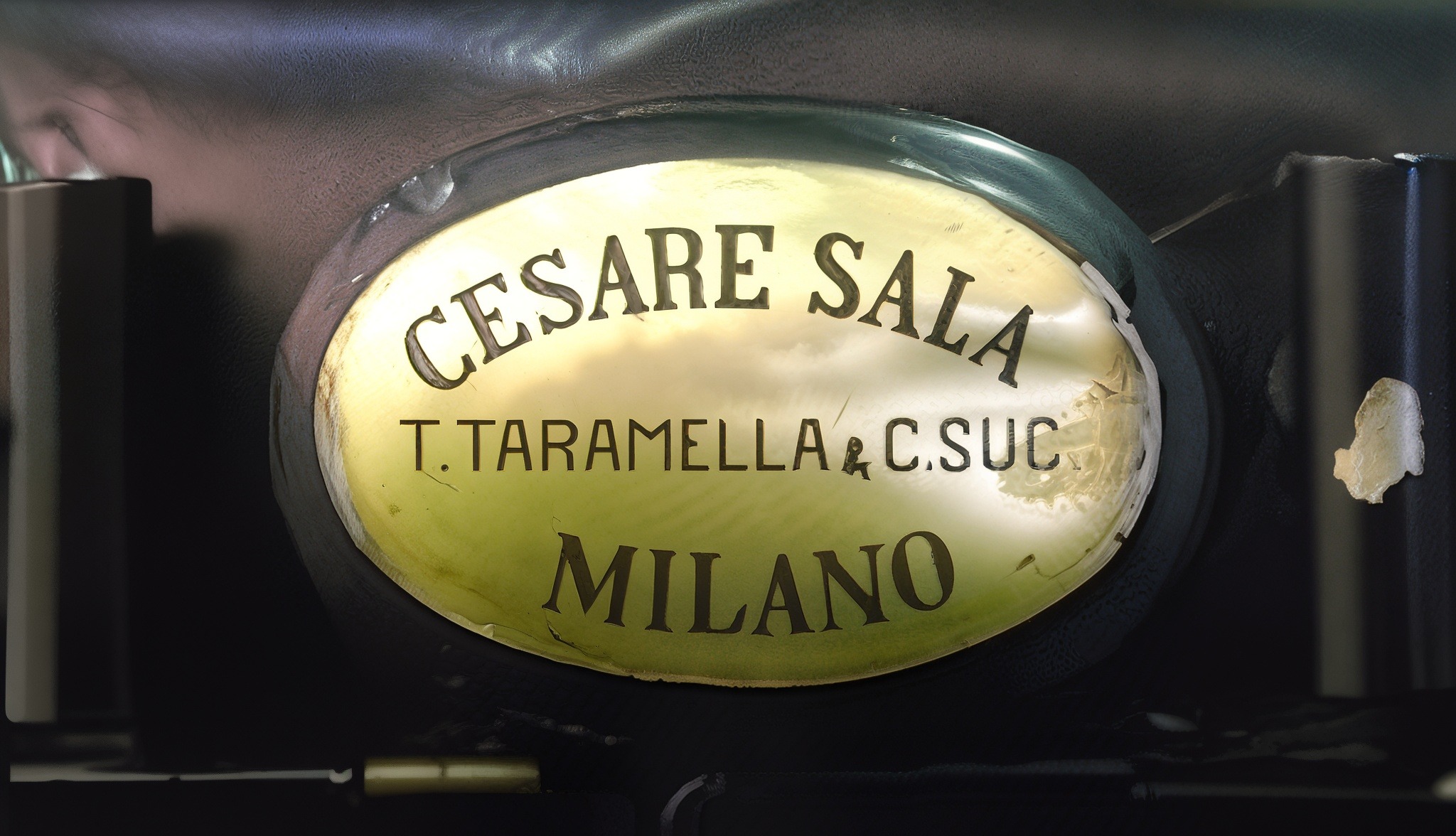
The transition was not without drama. Cesare Sala himself did not live to see the full flowering of the automobile age; the master coachbuilder died in 1890, just as the first motor vehicles were appearing on Europe’s roads. It fell to his successors to guide the firm through the coming transformation. After Sala’s passing, his trusted right-hand man Teogene Taramella took charge, and in the 1890s the business was reorganized as “Taramella & C.” to continue the founder’s work. Crucially, Sala’s widow, Giulia Perego Sala, and a cadre of prominent Milanese investors stepped in to support the venture. These backers included some of the most illustrious names in Milan’s high society – financiers and nobles such as Ettore Ponti, Felice Scheibler, Marchese Luigi Isimbardi, and Marchese Luigi Alberico Trivulzio. It speaks to the prestige of the Sala name that so many members of the aristocracy and business elite were willing to invest to keep the company alive. Under Taramella’s stewardship and with this blue-blooded support, the firm navigated the turn of the century, continuing to build top-tier horse carriages while gingerly exploring the new field of automobile coachwork.
In 1903, a new company was officially established in Milan under the name “Fabbrica di Carrozze Cesare Sala” (Cesare Sala Carriage Factory), effectively reviving the marque with fresh leadership. Teogene Taramella and the Sala family bowed out at this stage, making way for new directors – notably Federico Mailland and Vittorio Bianchi, who had risen through the ranks and were keen to modernize the enterprise. Federico Mailland, in particular, was an interesting figure: he had joined Sala’s workshop as a mere apprentice in 1886, but proved so capable that he ascended to the top and would remain with the company for decades. Under Mailland’s management, the writing was on the wall – the age of horse-drawn carriages was ending. Determined to keep Cesare Sala’s legacy relevant, Mailland steered the firm toward motorcar bodies in earnest. By 1905, a strategic merger took place that further propelled this evolution. The Fabbrica Cesare Sala joined forces with a nascent firm called “Carrozzeria Italiana,” which had been founded by a group of aristocrats led by Duke Uberto Visconti di Modrone. This merger created a larger, better-financed entity named Carrozzeria Italiana – Cesare Sala, combining Sala’s venerable craftsmanship with fresh capital and industrial organization. Among the new investors were luminaries like Marquis Camillo Meli Lupi di Soragna and a certain Weill-Schott (a major shareholder of FIAT). In effect, the house of Sala was now transformed from a boutique carriage-maker into a modern coachbuilding company with serious financial backing – ready to compete in the burgeoning automotive market.
🔗 Read more: Carrozzeria Castagna Milano: A Timeless Legacy
The results were soon evident. By 1907, the reorganized company (now a Società Anonima, or joint-stock company) was flourishing, with a capital of 2 million lire and the proud title of “Fornitori della Real Casa” – Official Suppliers to the Royal House. Just as Cesare Sala once built royal horse carriages, his successors were now building royal motorcars. One noteworthy early commission was a splendid limousine-landaulet for Queen Margherita of Savoy (King Umberto I’s widow and Italy’s former queen) on a 24 horsepower Fiat chassis. Imagine that elegant automobile, likely delivered around 1907: a stately black Fiat limousine with a convertible landaulet roof at the back, sumptuous in its appointments – and bearing the discreet script “Cesare Sala, Milano” on its coachbuilder’s plate. Such a car would have allowed Queen Margherita to glide through the streets of Rome or Milan with all the comfort and ceremony she had known in her carriage days. It was a powerful symbol that the royal court trusted Sala not only for gilded carriages of the past, but for the new motorized coaches of the 20th century as well.
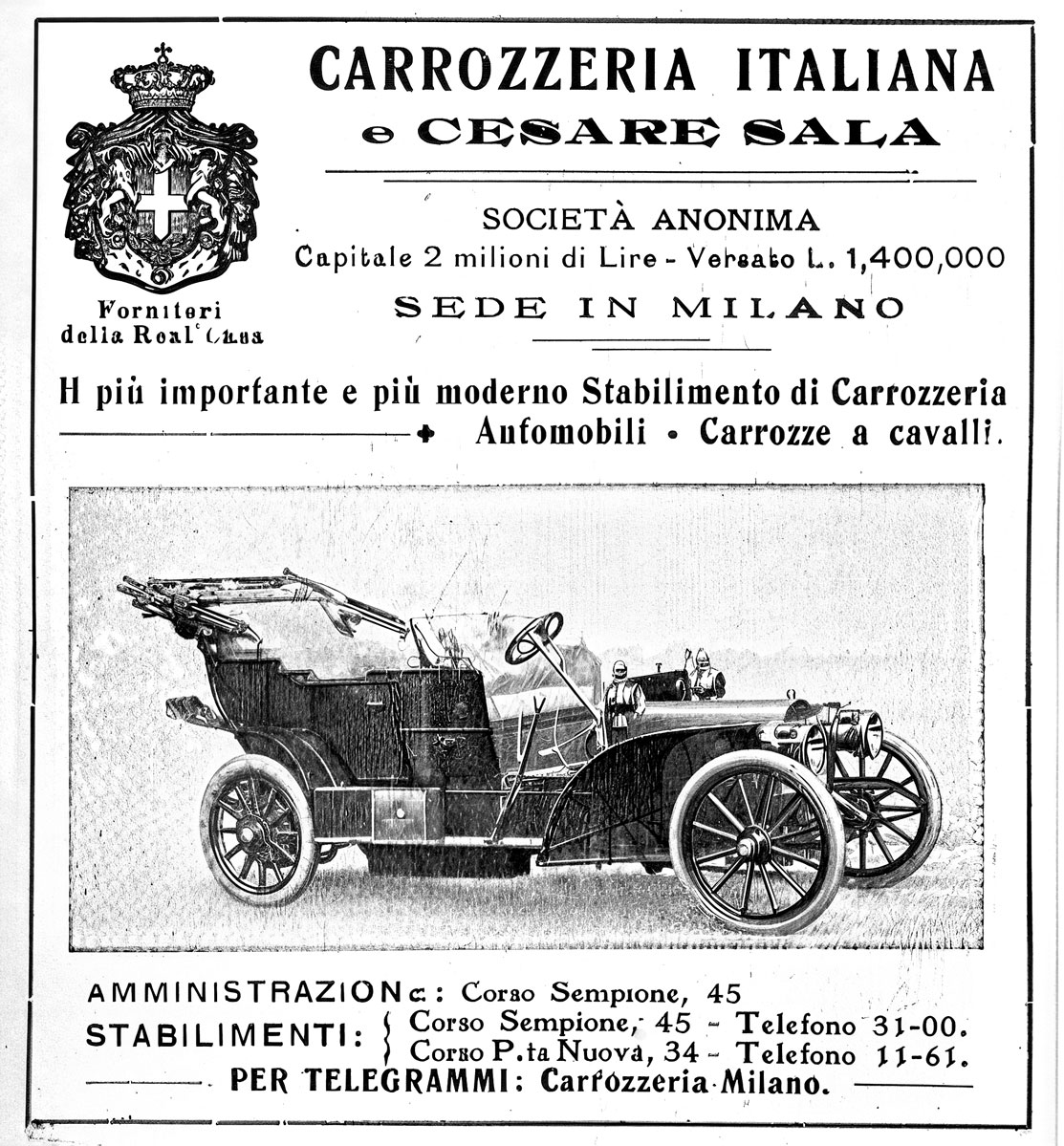
Meanwhile, Sala’s workshop was busy clothing the latest Italian chassis in bespoke bodywork for wealthy patrons. The firm built custom bodies on Alfa Romeo, FIAT, Lancia, Isotta Fraschini, Ansaldo and other high-end makes. In those early years of motoring, cars were sold as bare chassis to be finished by coachbuilders, and Cesare Sala’s outfit quickly became one of the crème de la crème of that industry. In fact, Carrozzeria Sala holds a place in history as one of the pioneers of automotive coachbuilding in Italy, successfully bridging the gap from carriage to car. Their exceptional craftsmanship did not falter in the new medium – if anything, it blossomed. By focusing on quality above all, Sala bodies earned a reputation for outstanding fit and finish, with fine details that rivaled anything from Paris or London workshops. The same wealthy families who once ordered carriages from Sala now entrusted their shiny new Isottas and Lancias to the firm, confident that the result would be both technically sound and aesthetically magnificent.
The Golden Era: Opulence on Four Wheels
It was in the 1920s that Carrozzeria Cesare Sala reached the zenith of its fame and productivity – an era when the company’s creations truly became rolling works of art and status symbols internationally. By this time, the firm was commonly known simply as Carrozzeria Italiana Cesare Sala, emphasizing both its national prominence and the continued homage to its founder’s name. Under the guidance of Federico Mailland and his team, Sala’s operation grew into an impressive industrial-scale atelier without losing its artisanal soul. The factory sprawled over an area of roughly 11,000 square meters in Milan, housing offices and specialized workshops for every aspect of body construction. Within those facilities, a workforce of around 300 highly skilled workers – blacksmiths, frame builders, panel beaters, woodworkers, upholsterers, painters, finishers – labored with almost obsessive dedication to quality. The company invested in the latest equipment of the time, enabling it to fabricate practically every component in-house. This vertical integration meant a Sala body wasn’t at the mercy of outside suppliers; everything from the wood framing to the chrome fittings could be crafted under one roof to the firm’s exacting standards. The result was efficiency, consistency, and an uncompromising level of excellence. Visitors to the workshops in the 1920s often marveled at how modern and well-organized the facility was – essentially an early custom-car factory marrying old-world craftsmanship with new-world scale.
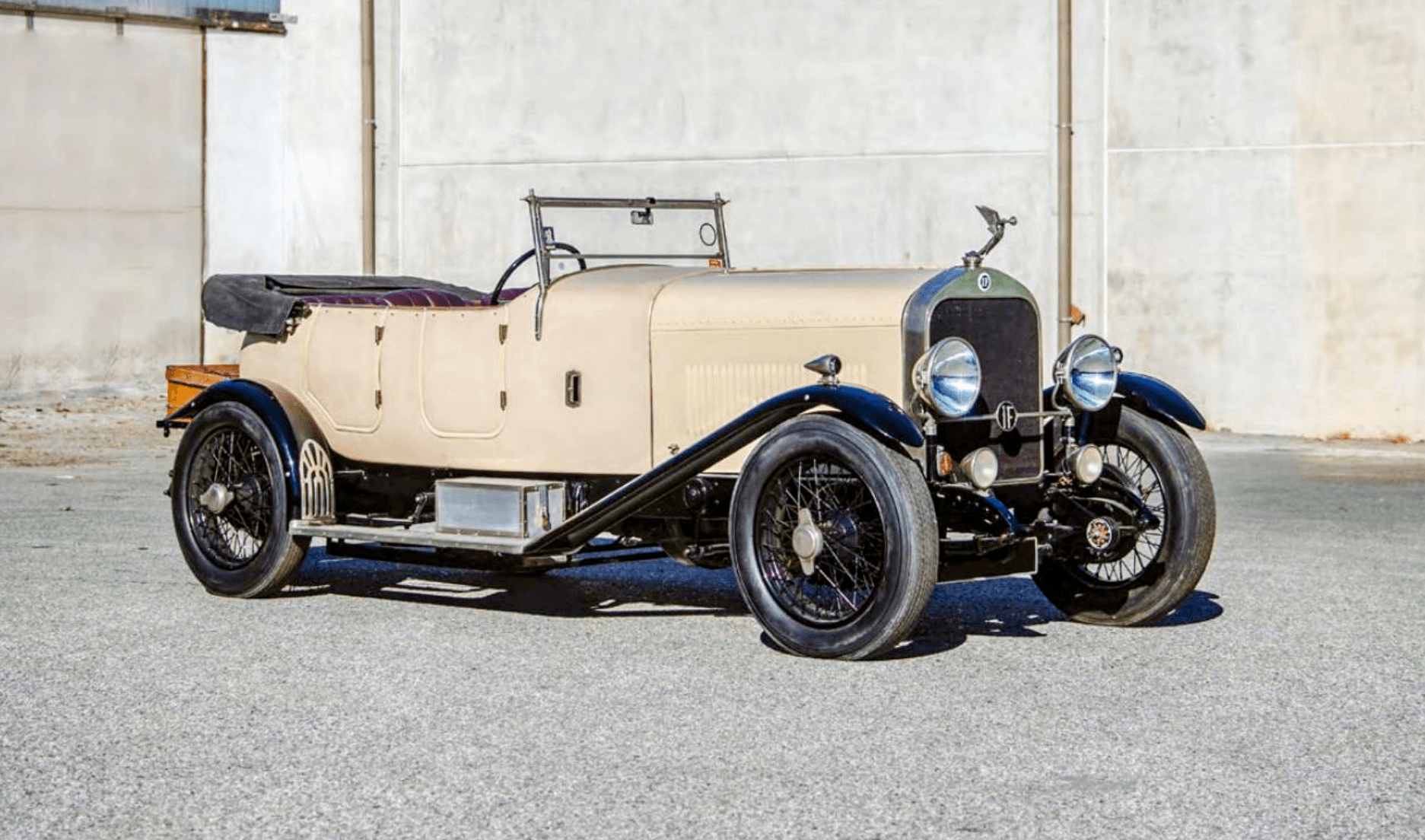
A key partnership during this golden age was with Isotta Fraschini, the Milanese luxury car manufacturer whose grand machines were coveted by the rich and famous. Sala had begun collaborating with Isotta Fraschini in the 1910s, and over the years this relationship deepened into something of a symbiosis. The two companies shared not only a hometown but also a clientele – the elite of Italy and beyond – and a philosophy of pursuing the utmost quality. By the 1920s, Isotta Fraschini chassis formed the backbone of Sala’s output, and Sala in turn became one of Isotta’s preferred coachbuilders. In fact, such was the alignment between them that two top figures from Isotta Fraschini, Oreste Fraschini (from the founding family) and Paolo Meda, took seats on Carrozzeria Sala’s board of directors in the 1920s. This close cooperation meant that many of the most spectacular Isotta Fraschini Tipo 8 and 8A luxury cars of the era were dressed by Sala’s artisans. These included stately limousine-landaulets for heads of state, smart open tourers for wealthy tycoons, and sumptuous town cars for European nobility. Each vehicle was essentially tailor-made, often to designs either provided by the client or concocted by Sala’s own design office.
Speaking of design, another star of this period was Oliviero Bergomi, Sala’s chief engineer and in-house stylist. Bergomi possessed both technical acumen and a refined artistic eye. He understood the advanced engineering of the day – the powerful engines, new chassis layouts, and emerging technologies like four-wheel brakes – and he also had a flair for elegant lines and balanced proportions. Under his direction, Sala’s bodies took on a distinct character: clean, dignified shapes with just enough decoration to signify luxury without tipping into gaudiness. Bergomi’s dual role, “transcending his technical post to serve as an excellent stylist,” was widely praised (as noted by historians of Italian automotive design). It was thanks in part to his creativity that Sala-built cars continued to win admiration, keeping pace with or even outshining the work of rival Italian coachbuilders like Castagna or Stabilimenti Farina.
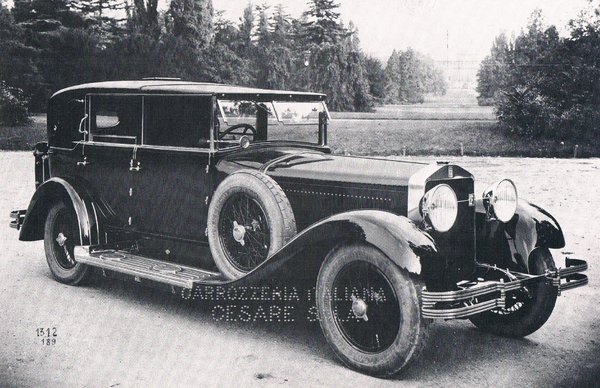
The firm’s reputation now extended far beyond Italy. Carrozzeria Sala became a fixture at international auto shows – presenting its latest creations at the Paris Salon, the London Olympia Motor Show, and the Brussels concours, among others. Sleek Sala-bodied Alfa Romeos and Isotta Fraschinis were exhibited alongside the best from France, Britain, and America, often garnering rave reviews from the motoring press. The world’s wealthy took notice. Orders came not only from Italian princes and industrialists, but from royal courts across Europe and even beyond. It was said you could find Sala’s custom-bodied cars in the garages of the Kings of Spain and Belgium, the nobility of Central Europe, and cosmopolitan millionaires in New York and Buenos Aires (many of whom had a taste for Italian exotica). Among the documented clients of this era were Pope Pius XI – for whom Sala created a special limousine (bringing the company the unique honor of serving the Vatican) – and Empress Zaudit of Ethiopia, who received a majestic Sala-bodied automobile despite being half a world away. The ability of the company to cater to such far-flung and exalted customers speaks volumes about its status. If a monarch or Pope needed an automobile that combined reliability with regal presence, Sala was a top choice.
🔗 Read more: Elegance on Wheels: The Grand History of the Concours d’Elegance
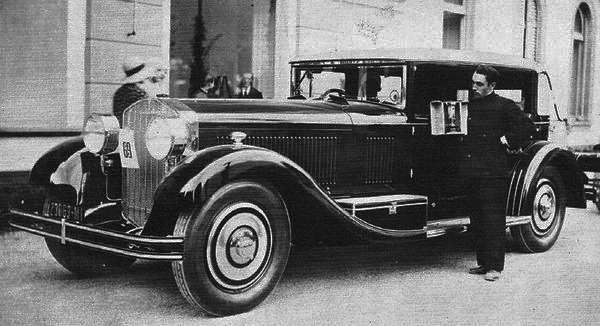
This period also saw Carrozzeria Sala achieve glory in the new fashionable arena of Concours d’Elegance, the competitive beauty contests for automobiles that became popular in the 1920s. In these events, wealthy owners would present their coachbuilt cars to be judged on design and elegance. Naturally, Sala’s work shone in such company. In fact, at the very first Concorso d’Eleganza Villa d’Este – held on September 1, 1929 on the shores of Lake Como – a stunning Isotta Fraschini Tipo 8A with Sala coachwork was crowned the winner. It took home the coveted Coppa d’Oro (Gold Cup) as the best vehicle of the show. Period accounts describe the car as a faux-cabriolet (likely a convertible town car) with a flawless black-and-maroon finish and intricate interior appointments, a true show-stopper among the eighty automobiles on display. Sala’s triumph at Villa d’Este, especially in the inaugural year of what would become one of the world’s most prestigious concours, affirmed that the firm’s blend of engineering and artistry was second to none. And that wasn’t the only laurel in 1929 – earlier that year in Rome, another Sala creation garnered the top prize at the Concorso d’Eleganza held in the capital. Contemporary newsreel footage even captured the moment: Signora Assunta Bruchi Ponzo, an Italian noblewoman, proudly at the wheel of her imposing 1928 Isotta Fraschini 8A by Cesare Sala, receiving the Placca d’Oro (Gold Plaque) as Best of Show. The huge seven-passenger saloon, powered by Isotta’s 7.3-liter straight-eight engine, must have been an awe-inspiring sight as it glided past the judging stand – a true example of eleganza italiana on wheels. These victories at elite concours were not just about trophies; they were publicity of the highest order. They signaled to all of high society that Carrozzeria Sala set the benchmark for automotive elegance.
Business in the late 1920s was accordingly brisk. One can imagine the scene at the Corso Sempione works on any given day: a row of naked chassis – an Alfa Romeo 6C, a Lancia Dilambda, perhaps a mighty Isotta Fraschini Tipo 8A – each awaiting its transformation. Designers sketching out personalized body styles for clients; skilled carpenters crafting ash-wood body frames by hand; metalworkers hammering out aluminum or steel panels; painters applying deep lacquer finishes layer by layer; upholsterers stitching fine leather and silk for interiors. The atmosphere must have been a mix of industrial efficiency and artisan workshop, humming with creativity. By catering to individual wishes, no two Sala bodies were exactly alike. Some were conservative and dignified, suitable for a baron or a banker, while others were sporty or whimsical, reflecting a flamboyant owner’s taste. Yet all shared a certain understated, meticulously crafted luxury that was the Sala signature.
Trials, Triumphs, and the End of the Journey
As the 1930s dawned, Carrozzeria Sala stood at the pinnacle of its field – but dark clouds were gathering on the horizon. The Wall Street Crash of 1929 and the ensuing global economic depression began to hit luxury industries hard. Orders for custom coachbuilt cars, which had always been a rarified market, started to dwindle as even the rich reined in spending. For a time, Sala’s strong reputation and diverse clientele provided some insulation. The workshop continued turning out splendid automobiles in the early 1930s, including bodies on the latest Alfa Romeo 8C and Lancia Astura chassis, and even a few on foreign makes like Bugatti (for Italian customers who wanted a French chassis dressed by Italian hands). However, the economic situation kept worsening.
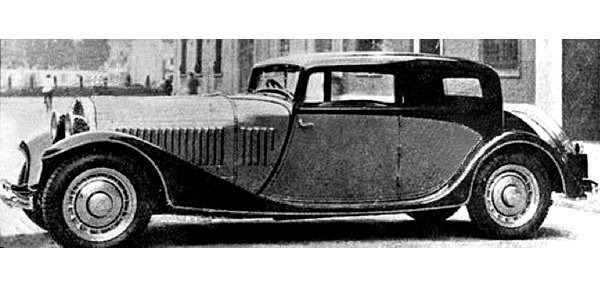
A critical blow came in 1932, when Isotta Fraschini – Sala’s close partner and most important client – fell into severe financial trouble. The once-proud car maker halted production of passenger cars (they would soon exit the market entirely), abruptly cutting off the stream of new chassis to body. Isotta’s collapse was a grim omen; for Carrozzeria Sala, it meant the loss of a key income source and the evaporation of future orders tied to that marque. Without Isotta, and with fewer commissions coming from elsewhere, the great Milanese coachbuilder found itself in an unsustainable position. Despite all its prestige and its illustrious history, Carrozzeria Italiana Cesare Sala was forced to close its doors in 1933, bringing an end to nearly half a century of excellence.
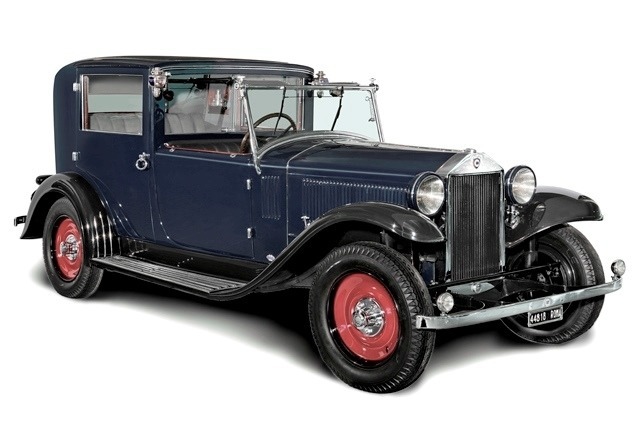
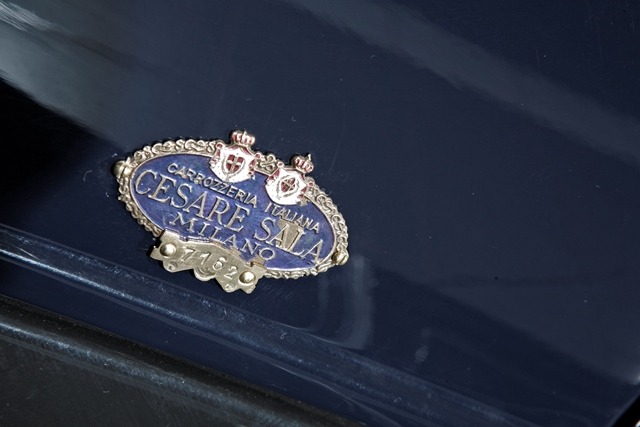
Yet, even in its final chapter, the firm managed one last triumph – a swan song that has ensured the Sala name lives on in classic car lore. In 1933, just before shutting down, the workshop completed an exquisite Lancia Artena II Series Coupé de Ville, a custom-built car that would be the very last bearing the Sala badge. It was as if all the know-how and artistry of the company were poured into this single vehicle as a parting gift to the world. The Lancia Artena was not the grandest chassis of the era (it was a medium-sized 4-cylinder model), yet the coachwork Sala created on it was extraordinarily lavish and refined. The design harked back to the grand horse-drawn carriages of old: a Coupé de Ville configuration meant the chauffeur sat in the open, while the rear passengers rode in a cozy enclosed cabin – a nostalgic layout, blending the past and present. Sala’s craftsmen gave the car a two-tone paint scheme of rich Lancia blue with black accents, and embellished it with details like polished wood trim, special side lamps, and loop-style door handles reminiscent of carriage door latches. Inside, the cabin was fitted with sumptuous cloth and accessories tailored for a gentleman and lady – from built-in vanity cases with crystal perfume bottles to a cigar ashtray for the master of the car. Every element was thoughtfully executed. The result was a one-of-a-kind masterpiece, a final affirmation of the coachbuilder’s motto that nothing was too good for a Sala client. This unique Artena Coupé de Ville has survived to the present day in beautifully preserved condition – complete with its original registration – and now resides in the Museo Nicolis in Italy as a treasure of automotive history. It stands as a moving reminder of the craftsmanship and passion that defined Carrozzeria Sala’s output.
With the closure of the company in 1933, an era ended. Italy lost one of its earliest and most respected coachbuilders. However, the legacy of Cesare Sala did not vanish. Many of the magnificent cars bodied by Sala continued to grace the roads (and later, concours lawns) for decades. Collectors and museums today prize these vehicles for their historical significance and their artistic value. A Sala-bodied Isotta Fraschini or Alfa Romeo from the 1920s is regarded as a crown jewel in any collection, just as a 19th-century Sala carriage is a highlight in carriage museums. The name Cesare Sala, once stamped on carriage steps and car door sills, has become shorthand for a certain standard of excellence – Italian coachwork at its finest.
🔗 Read more: When the car was truly tailor made: The Lancia Artena by Sala ft. Silvia Nicolis Ep13
In retrospect, the story of Carrozzeria Cesare Sala reads almost like a novel. It begins in a romantic age of princes and kings, transitions through the excitement of early motoring, reaches dazzling heights amid Jazz Age splendor, and concludes poignantly as the world is darkened by economic turmoil. Through it all, the company maintained an unwavering commitment to quality and beauty. Sala’s craftsmen weathered technological change – from crafting carriages lit by candle lanterns to crafting motorcars with electric headlights – yet they never lost the ethos of fine workmanship. They treated each creation, whether pulled by horses or powered by pistons, as a work of art and a labor of love.
Today, when enthusiasts speak of Carrozzeria Sala, it is often with a tone of reverence. Few coachbuilders so perfectly bridged the gap between two eras. Few combined business acumen, royal patronage, and artistic vision in the way Cesare Sala did. From imperial coaches for Empress Elisabeth to award-winning automotive sculptures at Villa d’Este, the house of Sala has left a legacy as rich as the gilding on its most ornate carriage. It is a legacy that invites us to imagine those bygone days – to picture a glittering coach rolling out of the Sala workshops onto the streets of Milan, or a stately Isotta Fraschini rumbling away from Corso Sempione with a newly fitted bespoke body, destined for some palace or grand hotel. These images linger, imbued with the romance of a lost age.
In the end, the history of Carrozzeria Cesare Sala is not just the chronicle of a business, but the story of art meeting automobile, of tradition embracing innovation. It reminds us that behind every great car of the classic era was a visionary coachbuilder who blended engineering with imagination. Cesare Sala was exactly such a visionary. His firm’s motto might well have been the old Italian saying, “Chi vuole il bello, se lo paga” – “he who wants the beautiful, must pay for it” – and the beautiful is precisely what Sala delivered, time and again, for those fortunate enough to commission one of his creations. Even nearly a century after its doors closed, Carrozzeria Sala’s legend lives on, a shining example of Italian excellence and a cornerstone in the grand history of coachbuilt automobiles.

ABOUT THE AUTHOR
Andreas Scheidl
Italian classic car enthusiast with German roots. Renowned as a respected figure in the classic car community, he serves as a jury member at various international concours d'elegance, including the Classic Gala Schwetzingen and Mantova. As a content creator, Andreas passionately shares his profound knowledge and appreciation for vintage automobiles. His heart beats for cars designed by Giovanni Michelotti, showcasing his discerning taste and dedication to preserving the timeless elegance of automotive history.
More stories by Andreas Scheidl ↗CONTINUE READING
Posts You Might Like
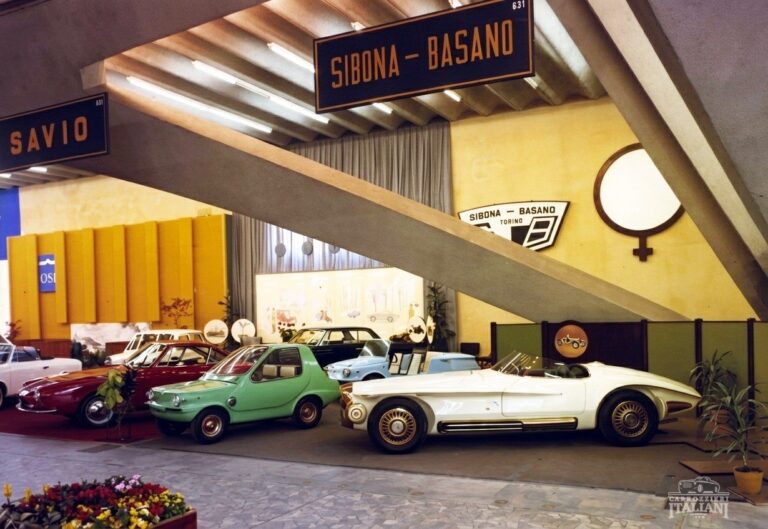
Sibona & Basano: The Turin Workshop Behind Abarth, Exner and Autonova
For a brief period in the 1960s, Sibona & Basano occupied a distinctive position in Turin's coachbuilding industry, constructing competition bodies, prototypes and experimental cars for Abarth, American designers and some of…
Read story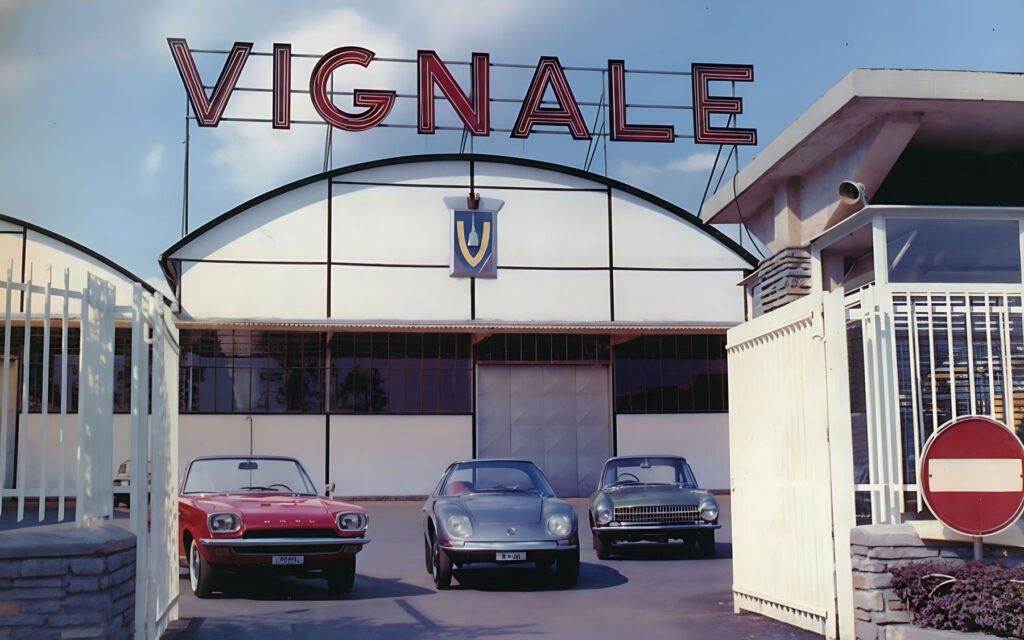
The Story of Carrozzeria Vignale
The story of Carrozzeria Vignale represents one of the many somewhat forgotten success stories born against the backdrop of an Italy that was torn apart by the Second World War and which,…
Read story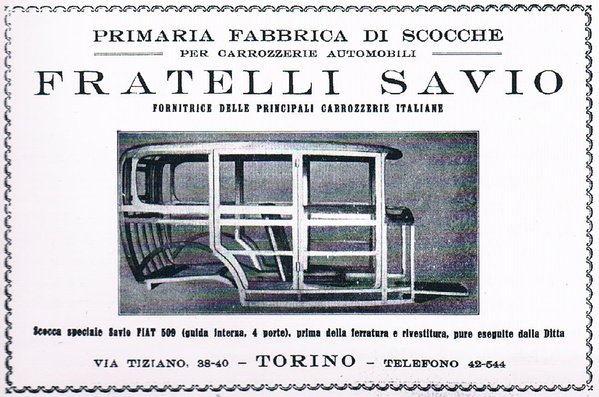
Carrozzeria Savio: The History
From early Fiat specials to the Jungla, Delta S4 and Italdesign Aztec, the story of Carrozzeria Savio is far richer than many remember.
Read story
The History of Carrozzeria Boano
The untold story of Mario Boano and Carrozzeria Boano, from Ferrari 250 GTs to the Spiaggina, reshaping Italian automotive history.
Read story
THE CONVERSATION
Comments 0
Share a memory, a period photograph or a documented detail about this story.