Model dossier
- Production period
- 1970
- Body style
- Targa
- Type
- Prototype
- Production
- 1
THE PEOPLE BEHIND THE CAR
Coachbuilding, design & conversions
PRICE & SALES RECORD
Vehicle value
- Original price
-
Not documented
- Latest recorded sale
-
Not documented
01 / THE STORY
History & context
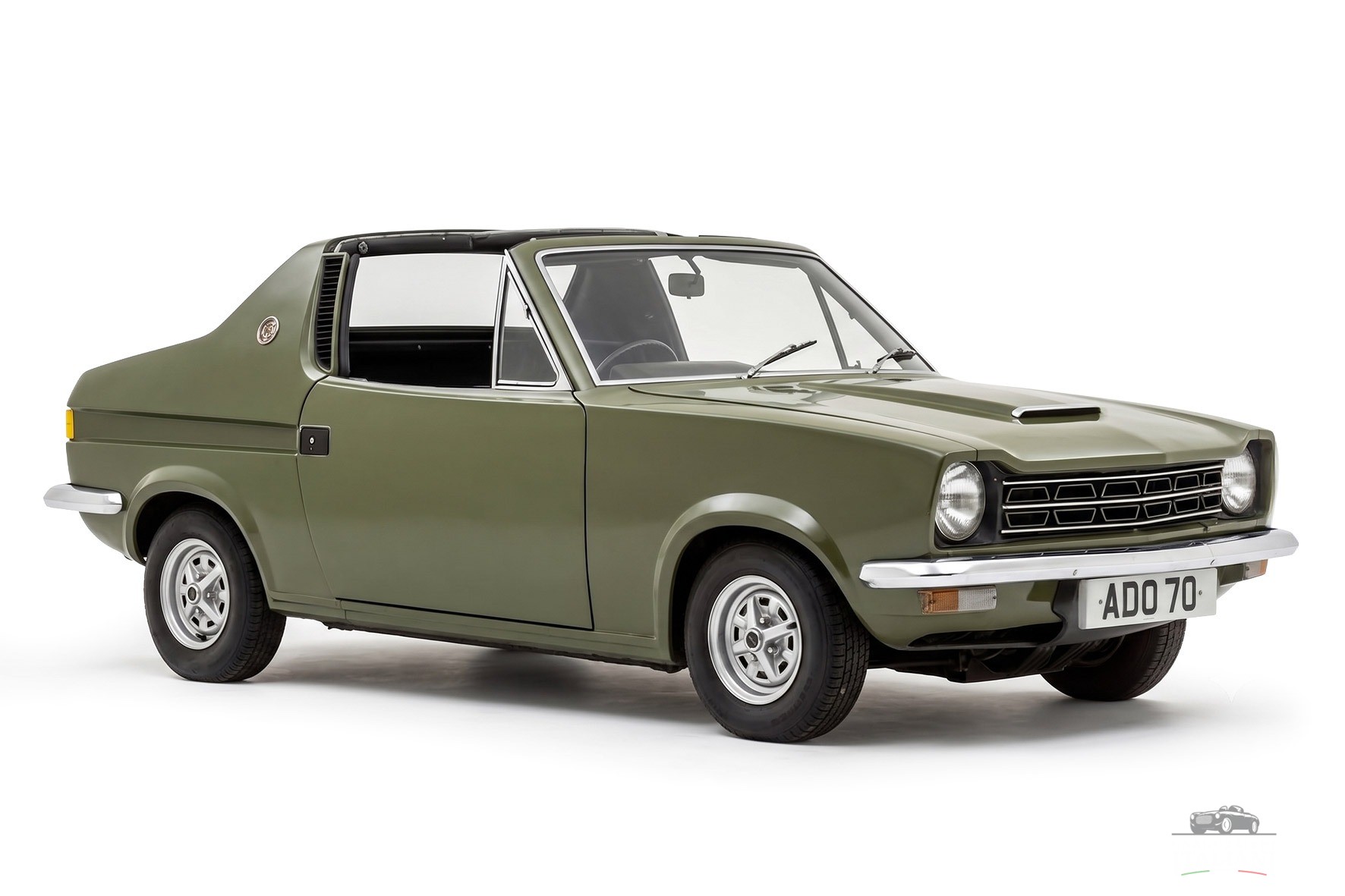
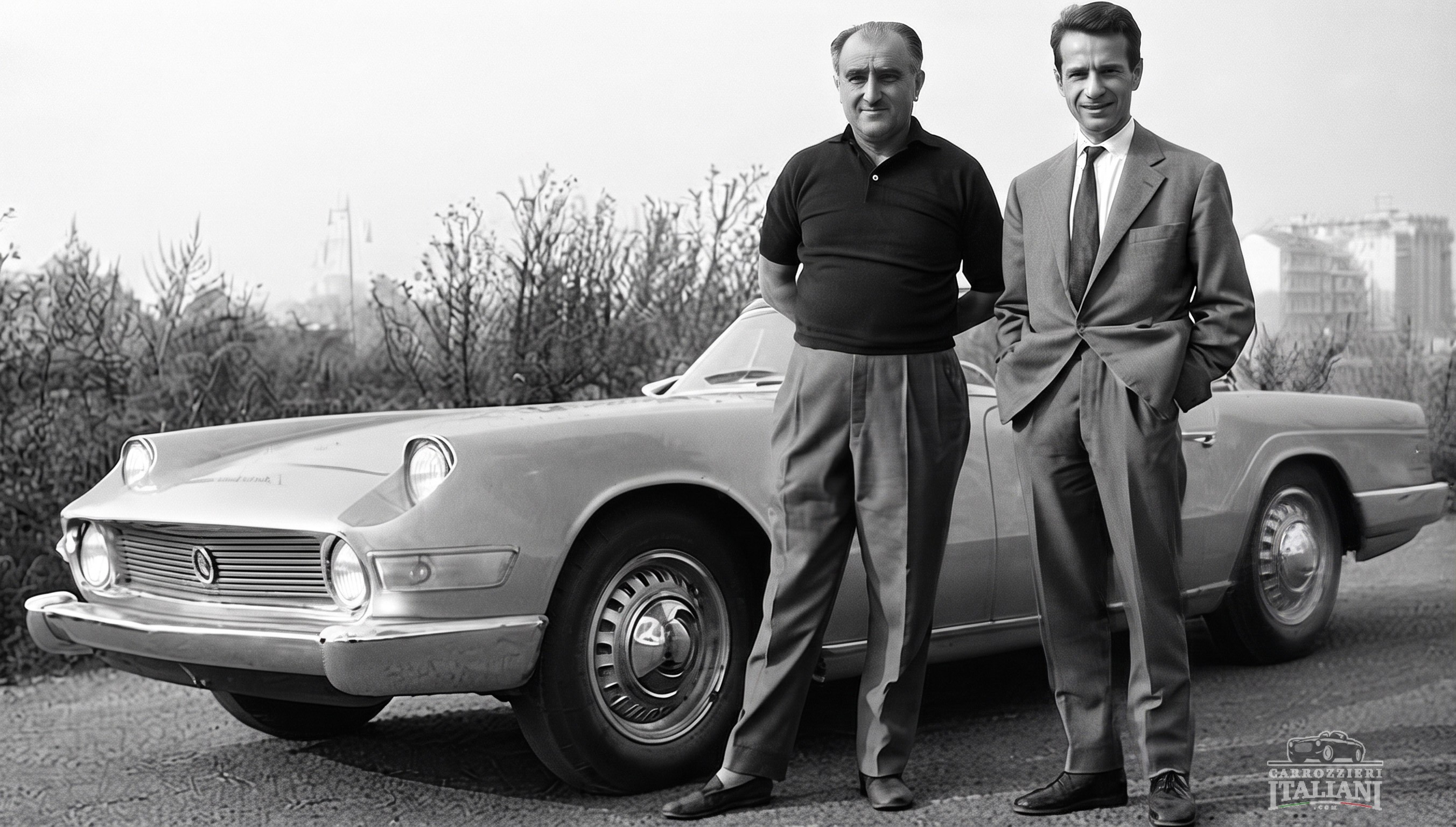
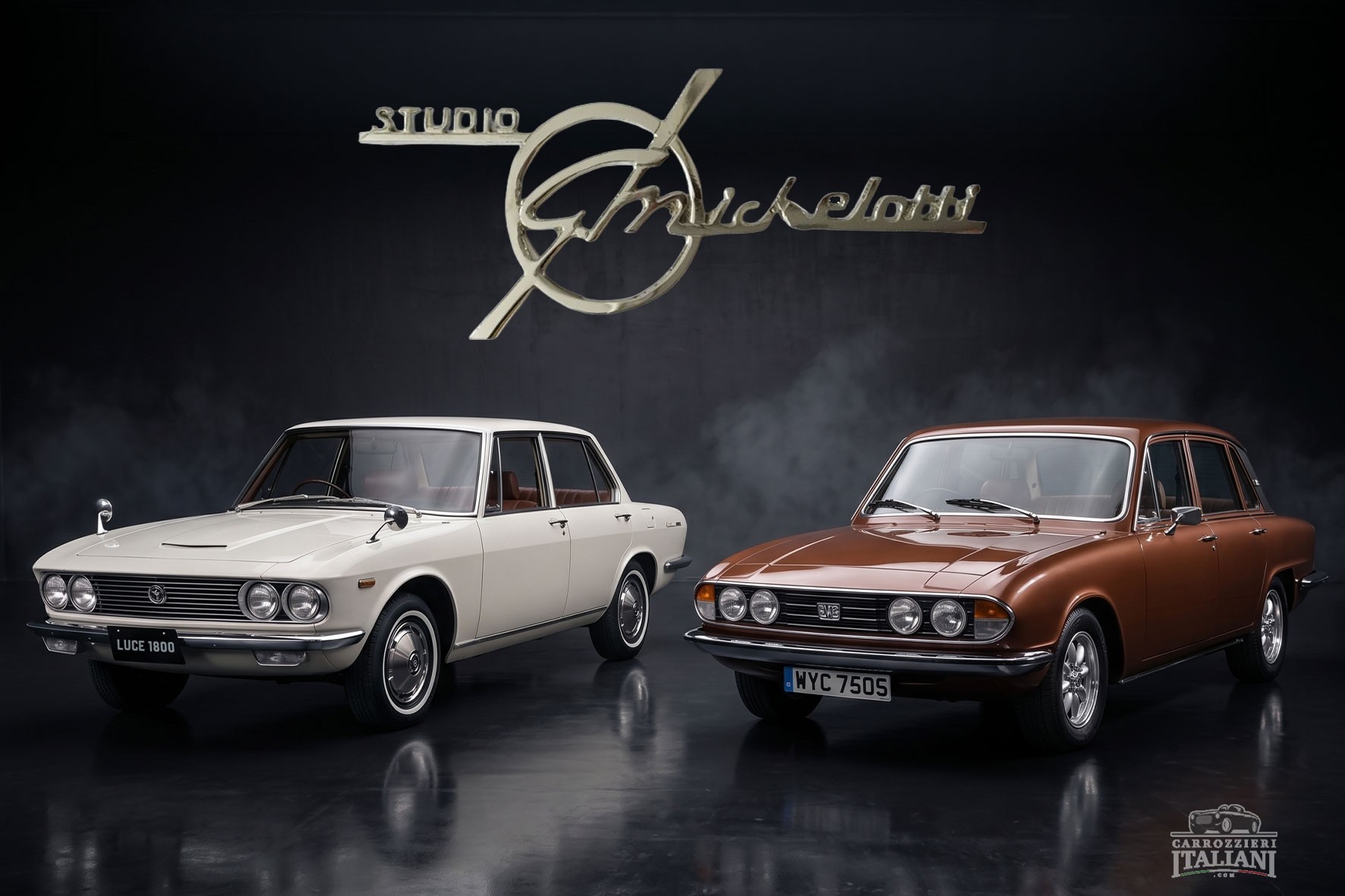
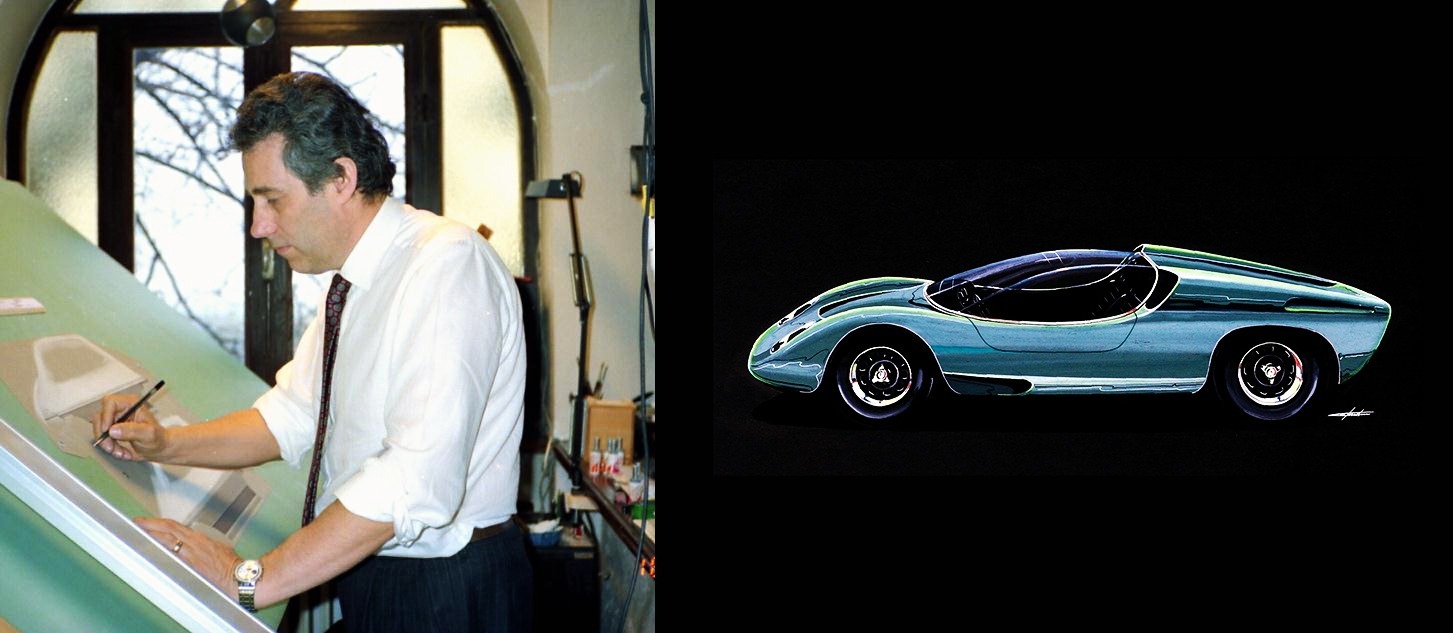
The ADO70 Calypso was a late-1960s British Leyland experimental project developed as a potential low-cost replacement for the MG Midget, using the Mini as its mechanical basis. The concept emerged at a time when the North American market remained strategically important for British Leyland, particularly for compact sports cars. With the existing MG Midget approaching the end of its commercial viability, the company explored alternatives that could reuse existing components while meeting evolving safety and cost constraints. The initiative was led by Harry Webster, who tasked designers Paul Hughes and Rob Owen with producing proposals for a small two-seat sports car derived from the Mini platform. Their sketches outlined a compact targa-topped roadster, reflecting contemporary concerns about proposed US anti-convertible legislation while aligning with trends set by cars such as the Porsche 914. The design retained the Mini’s 10-inch wheels and specified fixed headlamps mounted at a legally compliant height, both measures intended to limit development and production costs. Although commonly referred to as the “Michelotti Mini,” the ADO70 Calypso was styled in Britain and constructed in Italy. Once the design direction was approved internally, Webster commissioned Carrozzeria Michelotti to build a running prototype. A Mini 1275GT was supplied to the Turin workshop, where a bespoke body was fabricated and adapted to the donor car’s front-wheel-drive layout. Modifications included changes to steering position and accommodation of the new exterior form. The hand-built prototype suffered from several technical shortcomings, including excessive body weight, Hydrolastic suspension leaks, and driveline issues. Despite this, it was made operational with assistance from Innocenti and driven back to the United Kingdom from Turin. Upon evaluation at Longbridge in 1970, senior management reacted without enthusiasm. Concerns focused on the suitability of a front-wheel-drive A-Series sports car for the US market and the uncertain future of the engine given forthcoming Mini replacement programs. Following rejection, the ADO70 Calypso was abandoned on site before later restoration. The sole prototype survives today as part of the British Motor Museum collection, documenting an unrealized attempt to extend MG’s presence in the small sports car segment.
02 / TECHNICAL IDENTITY
Specifications & construction
Production & construction
- Production
- 1
- Production type
- Prototype
- Production notes
- ADO70 Calypso is source-backed as a single running 1970 Mini 1275GT-based prototype, styled at Longbridge by Paul Hughes and physically constructed in Turin by Michelotti. The Michelotti organization is therefore represented as body/prototype builder, not design studio.
- Body & configuration · Legacy attribution
- Targa Top
Design & manufacture
- Manufacturer · Documented
- BMC
06 / EVENTS & AWARDS
Events & awards
No events or documented awards are currently recorded for this vehicle.
07 / THE VEHICLE IN DETAIL
Photo gallery 4 photographs
08 / FROM THE ARCHIVE
Archive
References held in the vehicle dossier. Their inclusion does not establish that every historical claim has been independently verified.


THE CONVERSATION
Comments 0
Share a memory, a period photograph or a documented detail about this car.