
THE VEHICLE AT A GLANCE
Model dossier
THE PEOPLE BEHIND THE CAR
Coachbuilding, design & conversions

PRICE & SALES RECORD
Vehicle value
- Original price
- Not documented
- Latest recorded sale
- Not documented
01 / THE STORY
History & context
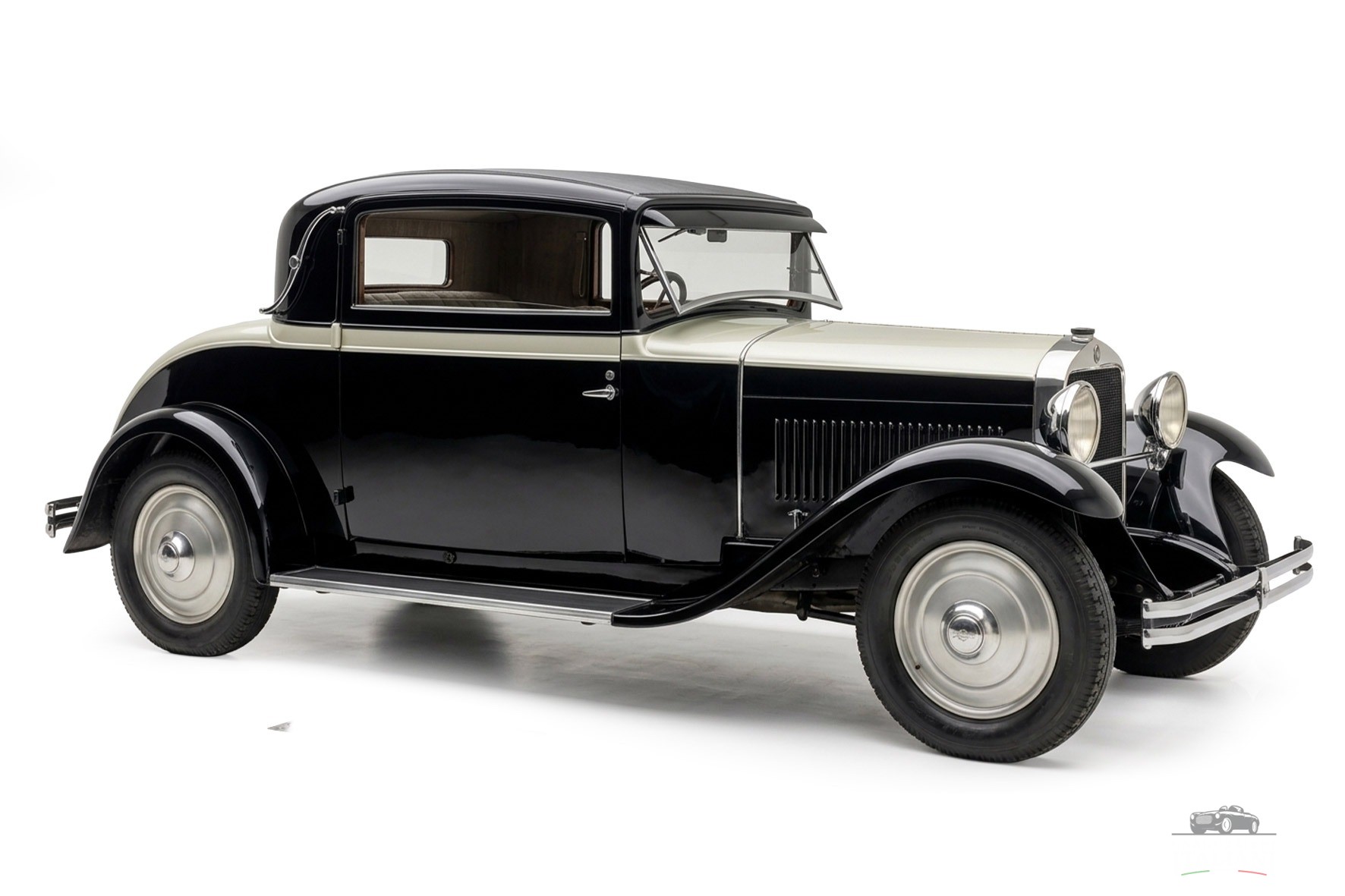
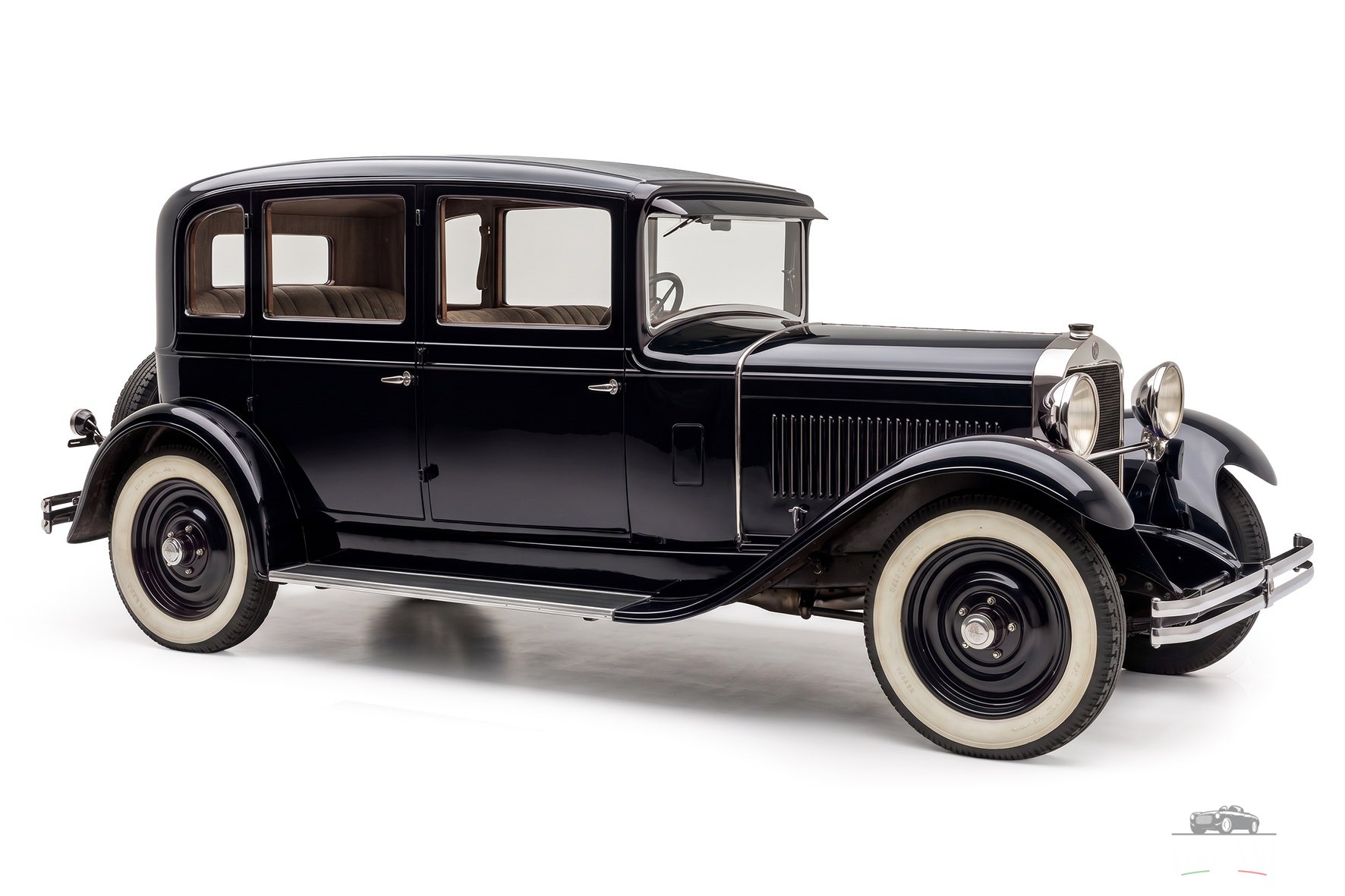
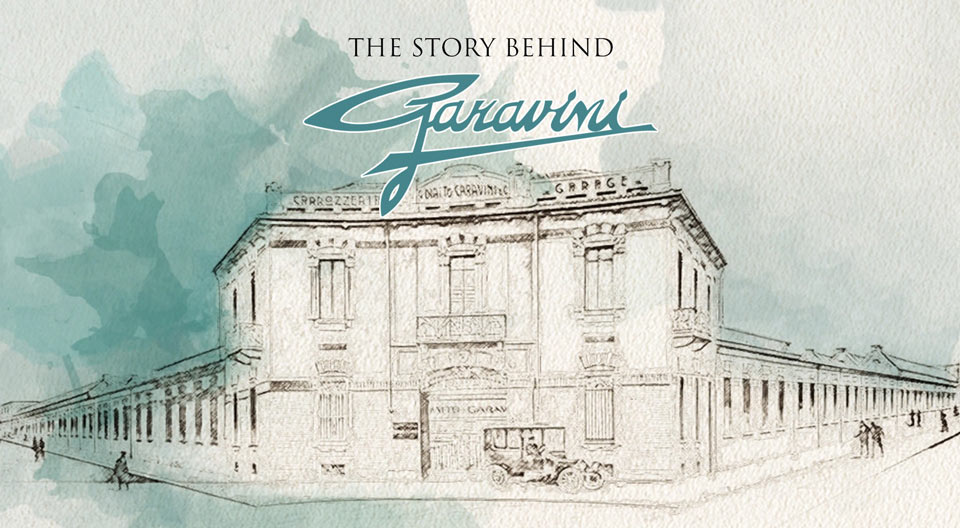
The Minerva AN 12CV Faux Cabriolet by Carrozzeria Garavini was constructed in 1929 on a chassis produced by Minerva Motor Works S.A., based in Antwerp, Belgium. Minerva was active in the manufacture of high-grade automobiles during the interwar period and positioned its vehicles in the luxury segment of the European market. The AN series was introduced in the late 1920s and was powered by a six-cylinder side-valve engine. The 12CV designation refers to the French fiscal horsepower rating system rather than actual power output. The chassis employed a conventional ladder frame construction with solid axles and semi-elliptical leaf springs at both the front and rear. Braking was provided by mechanically operated drum brakes on all four wheels, consistent with contemporary design practice. The drivetrain featured a front-mounted engine coupled to a manual gearbox, typically offering three or four forward gears, transmitting power to the rear axle. Performance figures were moderate, suited to the requirements of a touring automobile in the upper-middle segment. The coachwork was executed by Carrozzeria Garavini of Turin, Italy. Garavini was among the numerous independent Italian coachbuilders active during the 1920s and 1930s, known for constructing limited-production or one-off bodies for a variety of European chassis. The body on this particular example was styled as a faux cabrioleta closed vehicle with the visual characteristics of a convertible. This approach allowed for the appearance of an open-top model while retaining the rigidity and fixed-roof structure of a coupé. The exterior bodywork featured separate fenders, running boards, and a rear-mounted spare wheel. The interior was arranged for four passengers, with upholstery and trim materials selected according to client specifications. The vehicle conformed to the stylistic conventions of late-1920s continental European design. Documentation for the specific chassis is limited, and no production records indicating series manufacture have been identified. The vehicle is presumed to be a unique example. It represents a typical collaboration between a chassis manufacturer and a bespoke coachbuilder during the prewar era, wherein mechanical and structural elements were supplied by the manufacturer and the body was constructed to order by a specialist firm.
02 / TECHNICAL IDENTITY
Specifications & construction
Production & construction
- Production
- 1
- Production type
- Fuori-serie
03 / DESIGN, BODY & SUPPLIERS
Design, body & suppliers
Design & manufacture
- Coachbuilder / Body Builder · Documented
- Garavini
- Manufacturer · Documented
- Minerva
Body form & construction
- Body style
- Faux Cabriolet
04 / EVENTS & CHRONOLOGY
Events & chronology
No events or documented awards are currently recorded for this vehicle.
08 / GALLERY
Photo gallery 1 photographs
09 / PERIOD ARCHIVE
Period photographs & advertising
The period archive gallery will show historical photographs, advertisements, brochures and press images once assets, provenance and usage rights have been recorded in the masterfile.
THE CONVERSATION
Comments 0
Share a memory, a period photograph or a documented detail about this car.