
THE VEHICLE AT A GLANCE
Model dossier
- Production period
- 1912
- Body style
- Torpedo
- Engine
- Inline-4
- Type
- Mass
- Displacement
- 1,847 cc
- Power
- 18 CV
- Top speed
- 70 km/h
THE PEOPLE BEHIND THE CAR
Coachbuilding, design & conversions

PRICE & SALES RECORD
Vehicle value
- Original price
- Not documented
- Latest recorded sale
- Not documented
01 / THE STORY
History & context
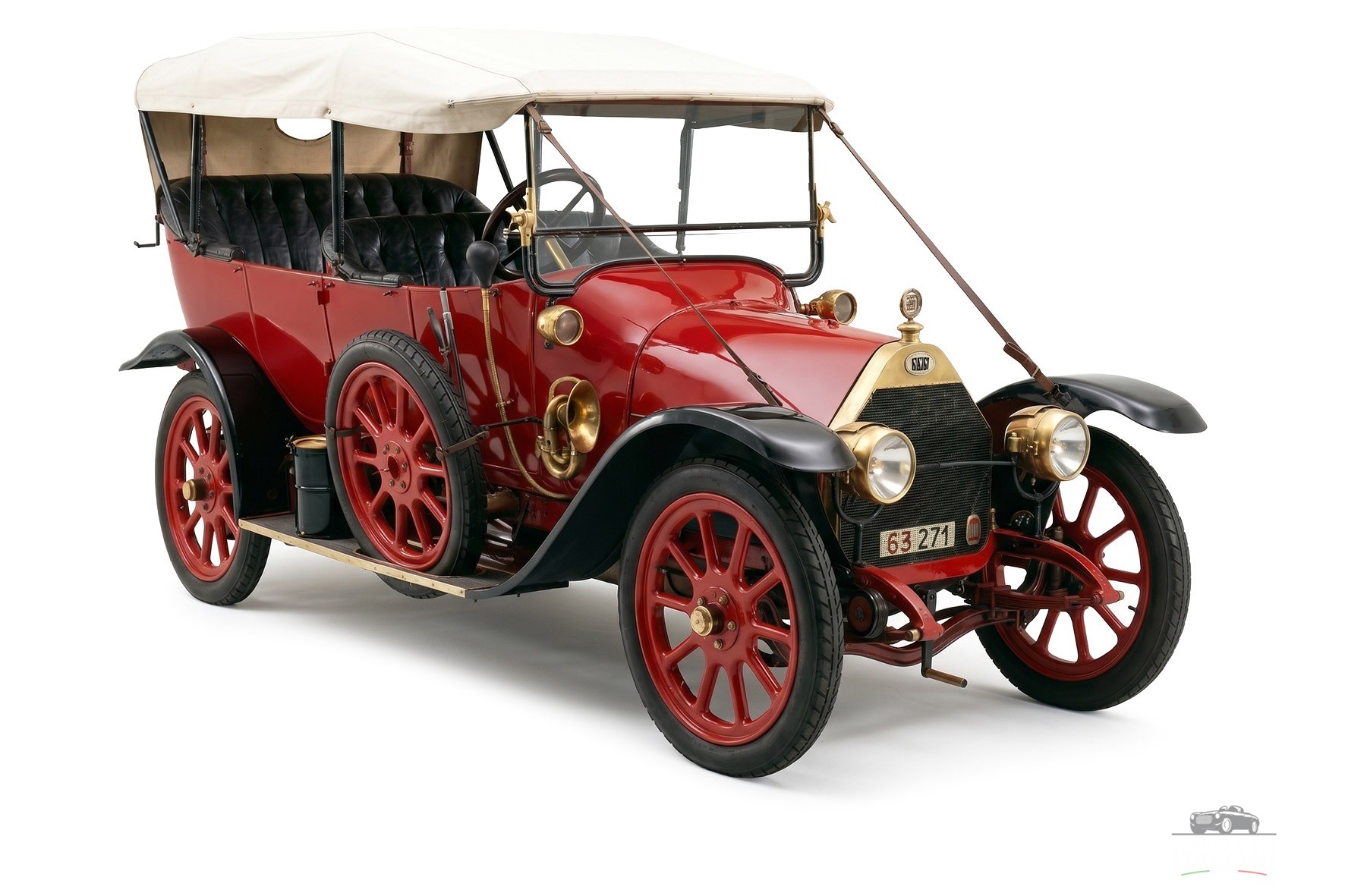
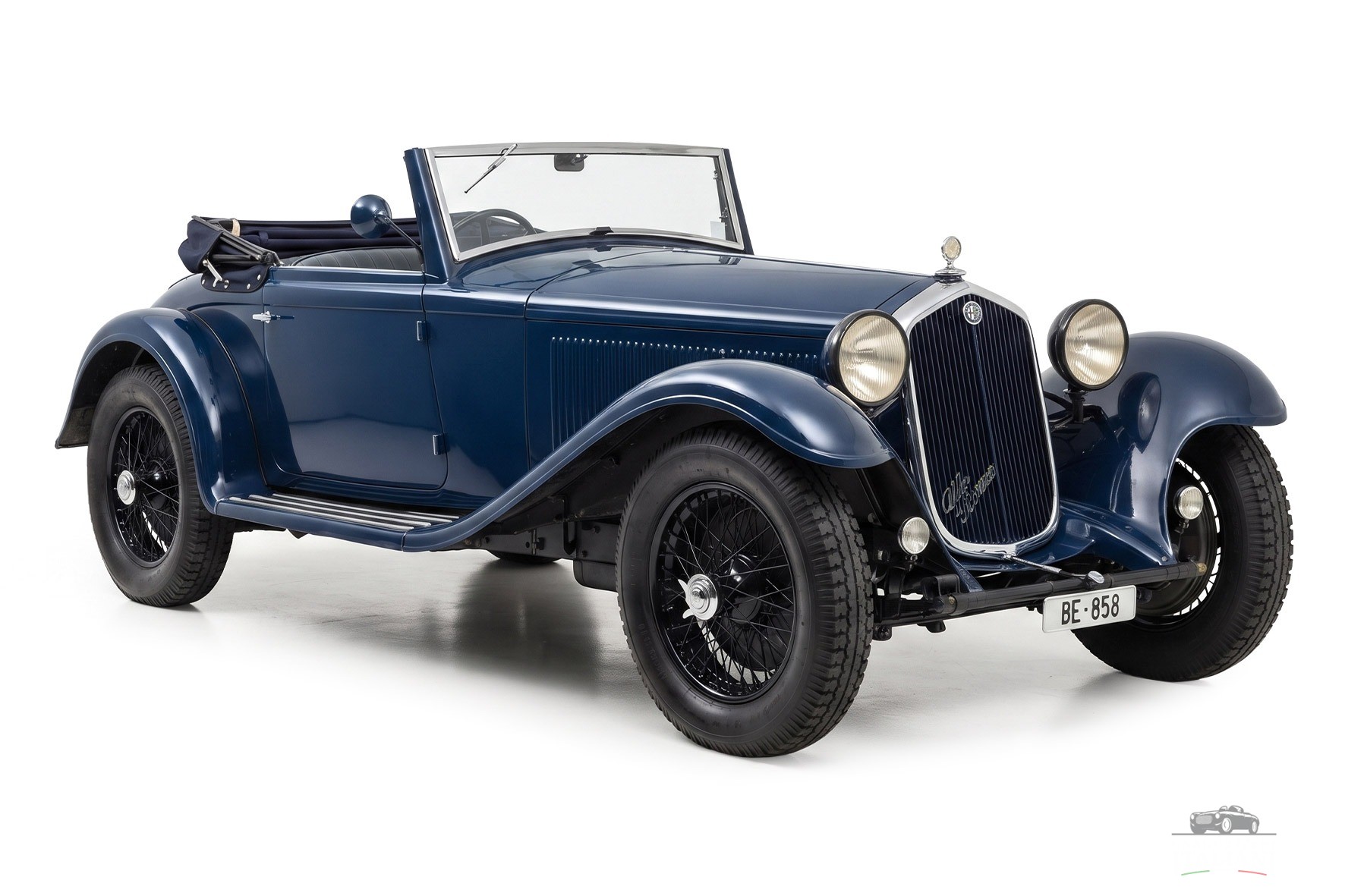
The Fiat Tipo Zero, designed by Battista “Pinin” Farina, holds a special place in automotive history as one of the earliest examples of his work. This model owes its “Zero” designation to Fiat’s founder, Giovanni Agnelli, who envisioned it as the rebirth of Fiat. At Stabilimenti Farina, Battista was given the opportunity by Agnelli—who was dissatisfied with Fiat’s Centro Stile proposal—to create a design for the Tipo Zero. When asked if he preferred his design to Fiat’s proposal, Farina confidently responded, “I prefer this one because I designed it.” His boldness won him the commission, marking a significant milestone in his illustrious career. The Tipo Zero was sold in both torpedo and spider configurations, initially priced at 8,000 lire, later reduced to 6,900 lire, roughly equivalent to 27,000 euros in 2012. It was equipped with a 1.9-liter engine producing about 15 hp, enabling it to reach speeds of up to 70 km/h. The car’s fuel efficiency was approximately 5.1 km per liter. In the range of models that Fiat developed by the end of the first decade of the 20th century, which included types from “1” to “6” with engine displacements ranging from nearly 2 to over 7 liters, there was a clear need for a smaller, more economical model. Hence, the Tipo Zero was introduced. Despite its relatively affordable price, equivalent to that of an apartment at the time, it was still beyond the reach of the middle class, making it far from a popular car. In 1915, the Tipo Zero was updated to include an electrical system, but production ceased shortly thereafter as Fiat shifted to wartime manufacturing due to Italy’s involvement in World War I. Over 2,000 units of the Tipo Zero were produced, making it the first Italian car to be produced in series and establishing it as the progenitor of Fiat’s utilitarian vehicles. The Fiat Tipo Zero not only represents an important chapter in Fiat’s history but also marks the beginning of Battista Farina’s legendary career in automotive design, setting the stage for his future successes and the creation of Pininfarina, a name synonymous with elegance and innovation in car design.
IN THE ARCHIVE
Coachbuilders & design studios
02 / TECHNICAL IDENTITY
Specifications & construction
Production & construction
- Production type
- Mass
Engine & performance
- Engine configuration
- Inline-4
- Displacement
- 1,847 cc
- Power (CV)
- 18 CV
- Engine speed
- 1,700 rpm
- Transmission
- 4-speed unsynchronized manual
- Drive
- Rear-wheel drive
- Top speed
- 70 km/h
- Specification notes
- Confidence detail moved from confidence: high_disposition_only. 1912 Fiat Tipo Zero Torpedo baseline: inline-four 1847 cc, 18 CV at 1700 rpm, 4-speed unsynchronized manual, RWD, wheelbase 2645 mm, length 3660 mm, width 1450 mm, top speed about 70 km/h. Height/weight remain body-dependent and are not forced.
Dimensions & accommodation
- Wheelbase
- 2,645 mm
- Length
- 3,660 mm
- Width
- 1,450 mm
Design & manufacture
- Manufacturer · Documented
- Fiat
- Coachbuilder / Body Builder · Documented
- Stabilimenti Farina
- Designer · Candidate
- Battista Farina
06 / EVENTS & AWARDS
Events & awards
Torino General · legacy_preserved
- Date
- 1913
- Chassis
- General
Preserved CI 1.0 relation. Evidence field: _yoast_wpseo_primary_events. No award inferred.
07 / THE VEHICLE IN DETAIL
Photo gallery 1 photographs
08 / FROM THE ARCHIVE
Archive
References held in the vehicle dossier. Their inclusion does not establish that every historical claim has been independently verified.
| Reference | Source type |
|---|---|
| ACI Storico — Fiat Tipo Zero A www.clubacistorico.it | Institutional historical reference |
| Fiat Tipo Zero 1912 technical reference www.kfz-tech.de | Specialist historical technical reference |

THE CONVERSATION
Comments 0
Share a memory, a period photograph or a documented detail about this car.